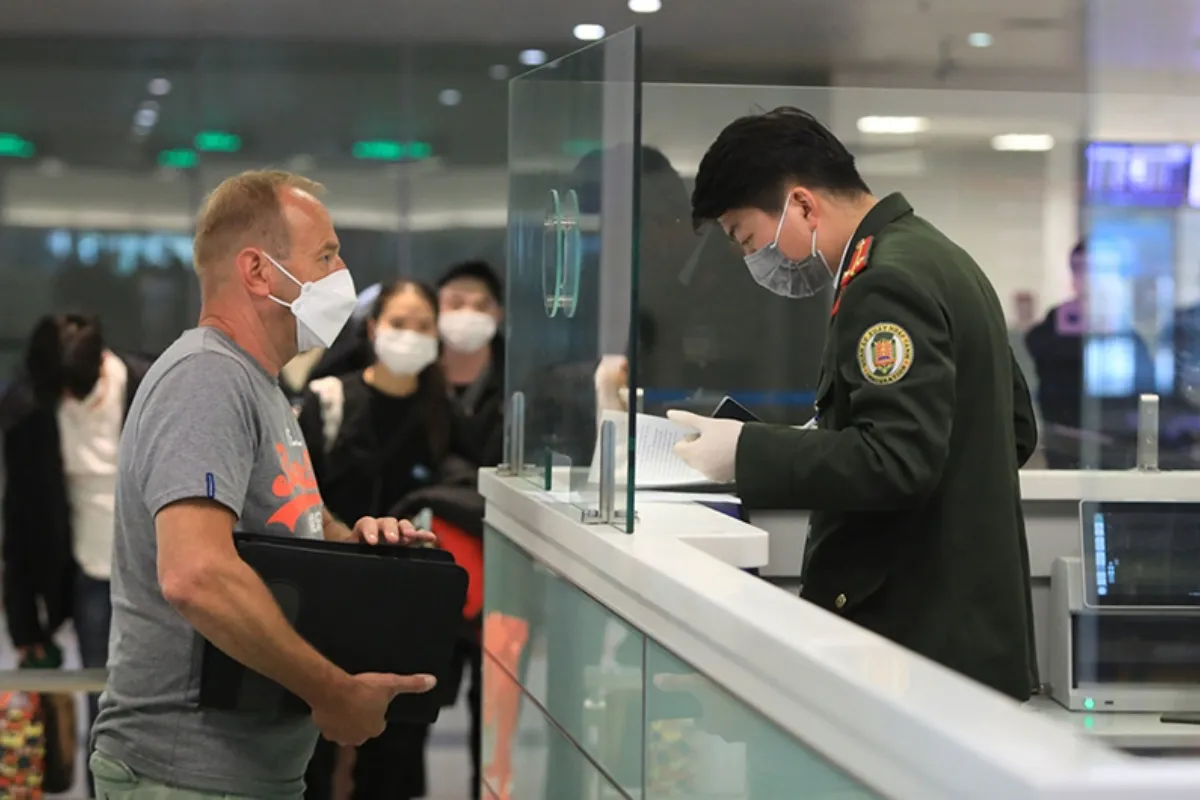
Vietnam has emerged as one of Asia’s most compelling travel destinations, attracting millions of international visitors each year. With its vibrant cities, breathtaking natural landscapes, world-famous cuisine, and centuries-old cultural heritage, the country offers an unforgettable experience for travelers from around the globe.
If you are planning a trip to Vietnam, understanding the latest Vietnam immigration regulations in 2026 is essential. Entry requirements such as visas, passport validity, customs procedures, and health regulations can directly affect how smoothly you pass through the airport upon arrival. Being well prepared not only saves time but also ensures that your journey begins without unnecessary complications.
This guide provides a detailed overview of the Vietnam immigration rules in 2026. It explains visa requirements, passport conditions, airport arrival procedures, important regulations travelers must follow, and the benefits of using Vietnam airport fast track services for a smoother entry experience.
Overview of Vietnam Immigration Regulations in 2026
In recent years, Vietnam has introduced several improvements to its immigration policies to make travel easier and more convenient for international visitors. These changes reflect the country’s commitment to strengthening tourism, encouraging foreign investment, and enhancing global connectivity.
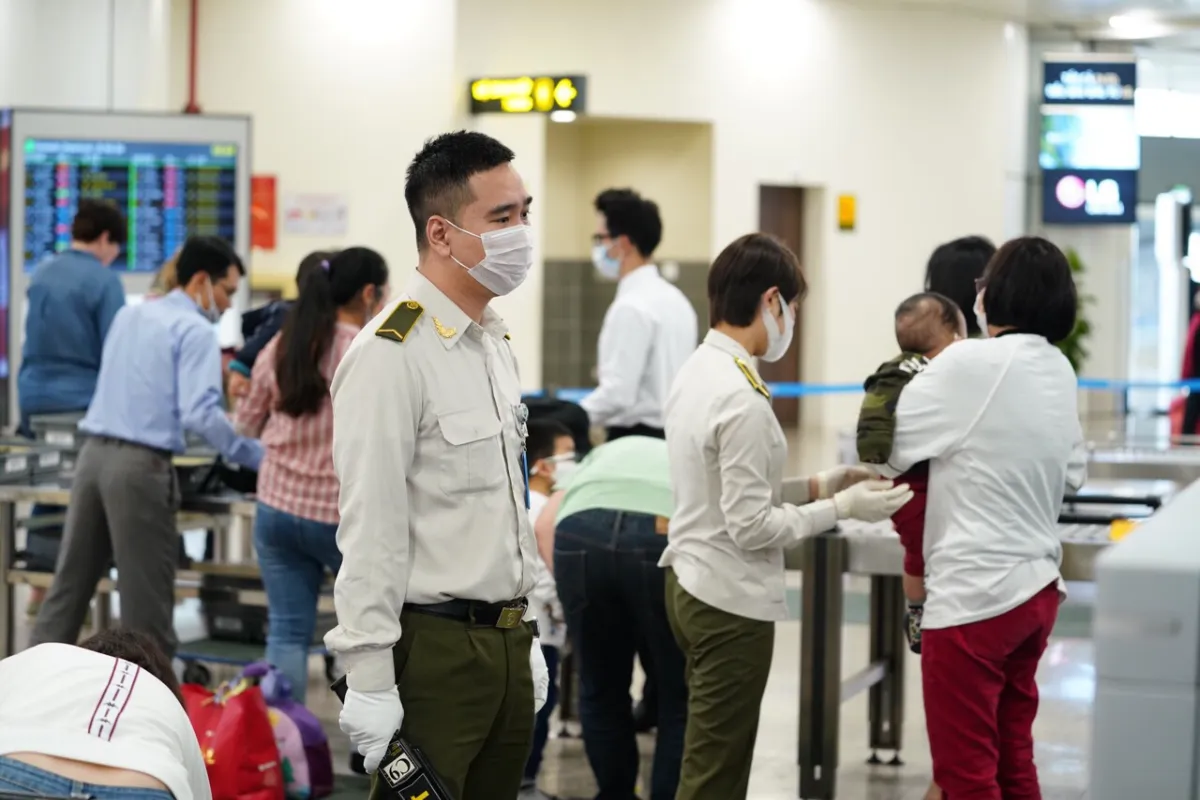
Under current Vietnam immigration regulations, international travelers must meet several basic entry requirements. Visitors must carry a passport that remains valid for at least six months from the planned entry date. Depending on nationality, travelers must also possess a valid visa or qualify for visa exemption under the policies established by the Vietnamese government.
A major milestone occurred on August 15, 2023, when Vietnam officially expanded its electronic visa system. The e-visa program now allows citizens of all countries and territories to apply online. Approved travelers can stay in Vietnam for up to 90 days, and the visa can be issued for either single or multiple entries.
In addition, Vietnam has extended the visa-free stay period for many eligible nationalities. Previously, travelers could remain in the country for only 15 days without a visa. Today, visitors from eligible countries can stay for up to 45 days, giving them significantly more time to explore the country’s diverse regions.
These policy updates have significantly simplified the Vietnam immigration process and have made Vietnam more accessible to travelers seeking cultural exploration, business opportunities, or extended leisure travel.
Do Travelers Need a Visa to Enter Vietnam?
Whether a traveler needs a visa depends largely on nationality and the purpose of the visit. According to the Vietnamese government and the amended law governing foreign entry and residence, international visitors can enter Vietnam through three primary methods.
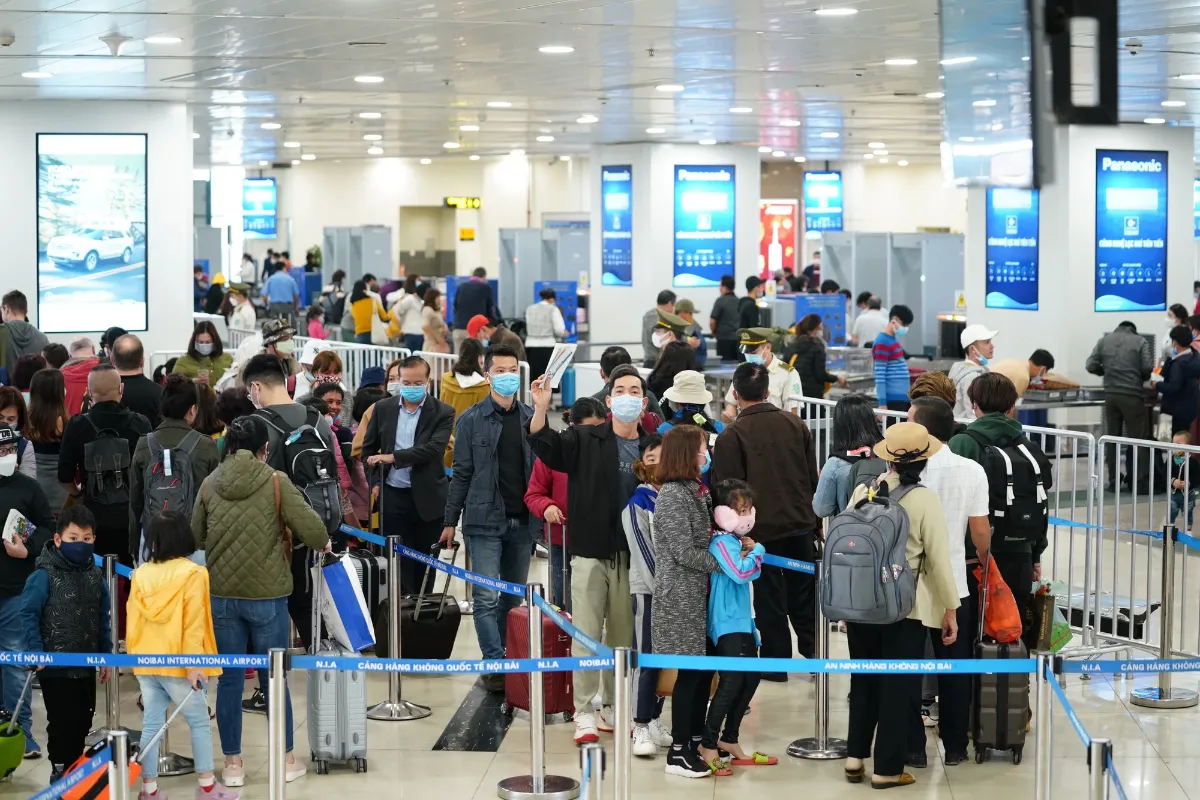
These include visa exemption, electronic visa application, and visa on arrival. Each option plays an important role within the Vietnam immigration system and is designed to accommodate different types of travelers.
Countries Eligible for Visa Exemption
Vietnam currently grants visa-free entry to citizens of several countries. Travelers from these nations can visit Vietnam without applying for a visa in advance, provided their stay does not exceed the permitted duration.
Countries eligible for visa exemption include:
- Japan
- South Korea
- Singapore
- Thailand
- Malaysia
- Indonesia
- Philippines
- Laos
- Cambodia
- Brunei
- Myanmar
- Russia
- Germany
- France
- Italy
- Spain
- United Kingdom
- Denmark
- Sweden
- Norway
- Finland
- Belarus
Most travelers from these countries are allowed to remain in Vietnam for up to 45 days for tourism or short-term business purposes. If visitors wish to extend their stay beyond this period, they must apply for a visa or request an extension through the official Vietnam immigration authorities.
Vietnam Electronic Visa (E-Visa)
The electronic visa has quickly become one of the most convenient options for travelers entering Vietnam. The system allows visitors to apply online without visiting an embassy or consulate.
Eligibility
The Vietnam e-visa is issued through the official portal of the Vietnam Immigration Department. Citizens from all countries and territories can now apply for this visa. Applicants simply need to fill out an online application form, upload a digital copy of their passport along with a passport-style photograph, and pay the required processing fee.
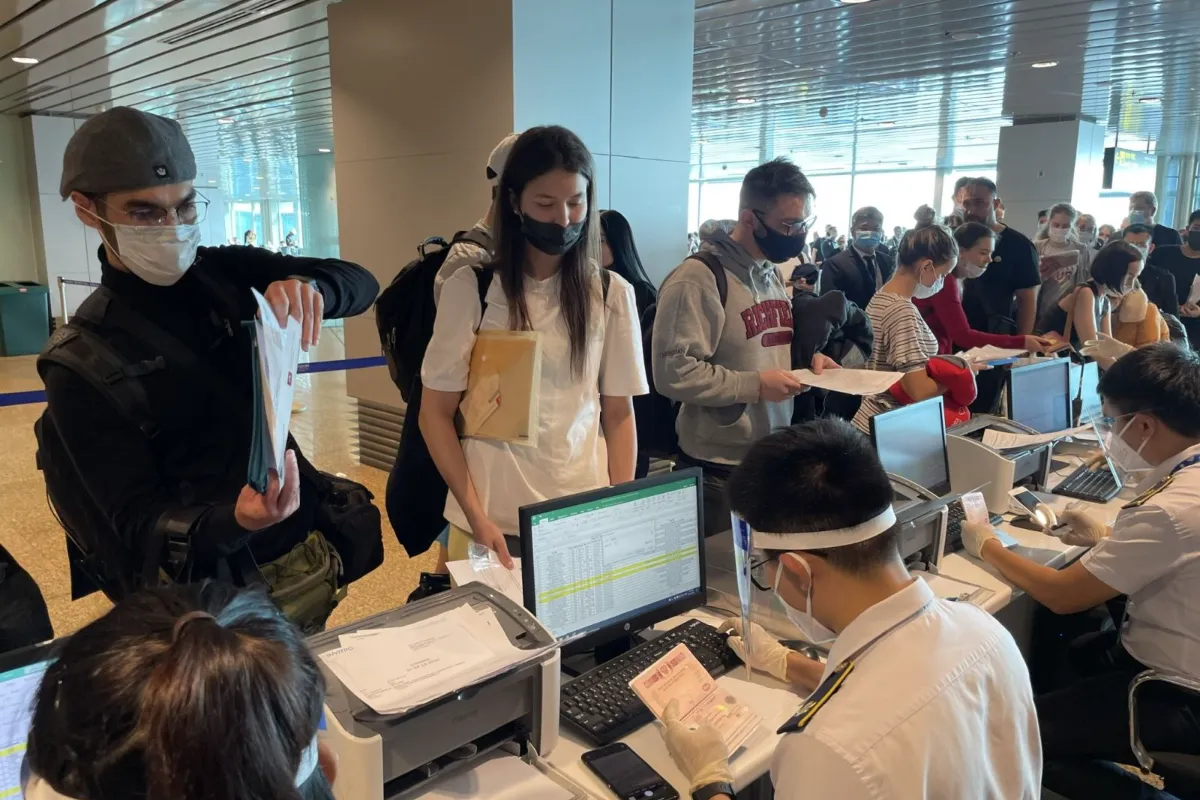
Once approved, the e-visa is sent electronically, allowing travelers to present the document during the Vietnam immigration inspection at the airport.
Visa Validity
The Vietnam e-visa can be issued for a stay of up to 90 days, giving travelers far more flexibility than previous visa policies.
Types of Vietnam E-Visa
Two main types of e-visa are available.
Single-entry visa: This visa allows travelers to enter Vietnam only once within the validity period.
Multiple-entry visa: This option allows travelers to enter and exit Vietnam multiple times while the visa remains valid. It is particularly useful for those exploring multiple countries in Southeast Asia.
Visa on Arrival
Another option within the Vietnam immigration system is Visa on Arrival, commonly referred to as VOA. This visa type is available for travelers entering Vietnam by air. However, visitors cannot simply request the visa at the airport. Before traveling, they must obtain an approval letter issued by the Vietnam Immigration Department.
Upon arrival at the airport, travelers present this approval letter and complete the visa stamping process at the designated visa counter. Once the visa is stamped in the passport, travelers proceed to the Vietnam immigration checkpoint for final entry approval.
Passport Requirements for Entering Vietnam
- International travelers must ensure that their passport satisfies several official requirements before entering Vietnam.
- First, the passport must remain valid for at least six months from the intended entry date. This rule helps ensure that visitors maintain legal status throughout their stay.
- Second, the passport must contain at least two blank pages so that immigration officers can place entry and exit stamps.
- Third, the passport must be in good physical condition. Passports that are torn, heavily damaged, altered, or missing pages may be rejected during the Vietnam immigration inspection.
- Additionally, all personal information on the passport must be clearly readable. Details such as the traveler’s name, date of birth, passport number, and photograph must match the information on the visa or exemption record.
- When arriving at major airports including Noi Bai International Airport, Tan Son Nhat International Airport, and Da Nang International Airport, immigration officers carefully examine passports and travel documents before allowing entry into Vietnam.
Five Steps of the Airport Immigration Process in Vietnam
Understanding the airport arrival process can help travelers navigate Vietnam immigration procedures efficiently and confidently.
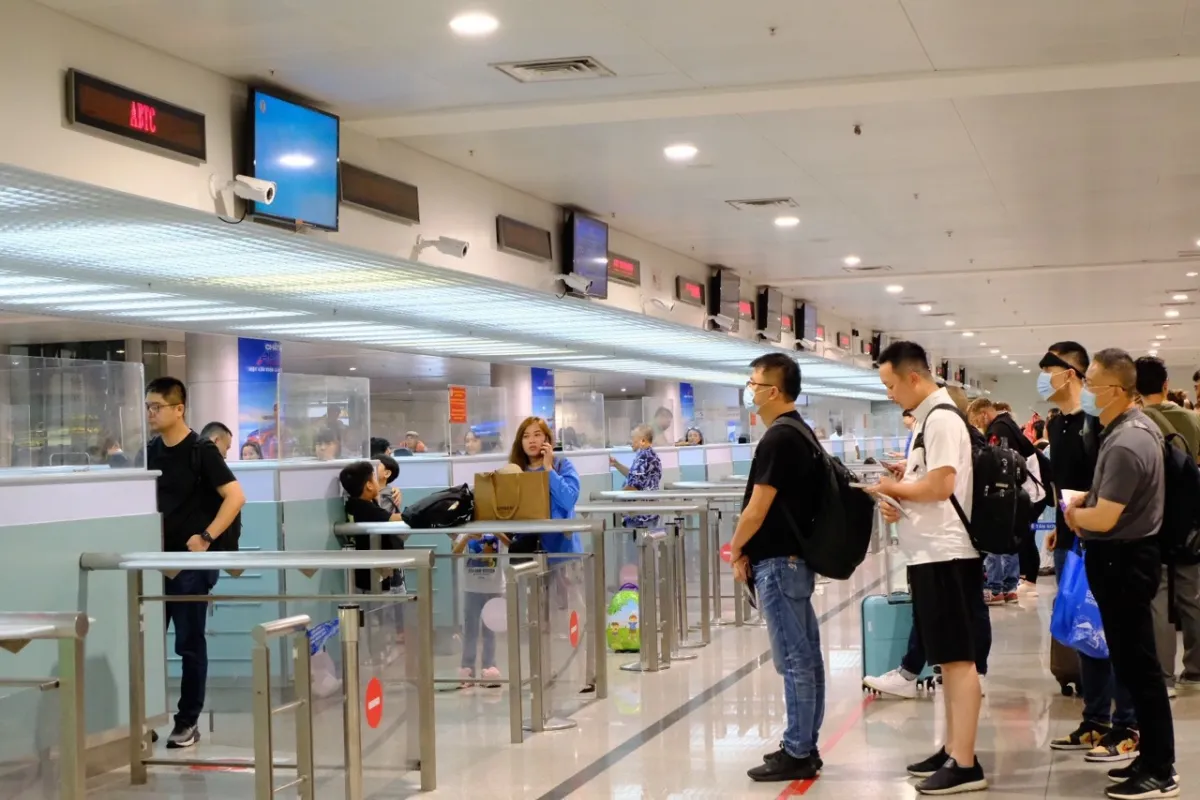
Step 1: Proceed to Immigration Control
After leaving the aircraft, passengers should follow airport signs directing them to “Immigration” or “Arrival.” All international passengers must pass through passport control before entering Vietnam.
Step 2: Present Passport and Visa
At the immigration counter, travelers present their passport along with a valid visa or documents confirming visa exemption. Immigration officers review the traveler’s eligibility to enter the country.
Step 3: Verification and Entry Stamp
Once the documents are confirmed as valid, the officer stamps the traveler’s passport. This stamp indicates the permitted length of stay under the Vietnam immigration regulations.
Step 4: Collect Checked Luggage
After completing immigration inspection, passengers proceed to the baggage claim area to retrieve their checked luggage. Each flight is assigned a designated baggage carousel displayed on airport information screens.
Step 5: Pass Through Customs
The final step is customs inspection. Travelers who have nothing to declare can proceed through the “Nothing to Declare” lane. Those carrying restricted goods or large amounts of currency must complete additional customs procedures.
Once this step is finished, the Vietnam immigration entry process is complete and travelers are officially inside the country.
Important Regulations Travelers Must Follow
- International visitors should also understand several important rules during their stay in Vietnam.
- Travelers must leave the country before the expiration date indicated by the Vietnam immigration entry stamp or visa. Overstaying may result in fines ranging from approximately 20 to 200 USD, depending on the duration of the violation.
- Visitors must also ensure their passport remains valid throughout the entire trip. Carrying either the original passport or a photocopy is recommended at all times.
- Foreign visitors must also comply with the temporary residence registration rule. According to regulations from the Ministry of Public Security, foreigners must be registered at their place of accommodation within 24 hours of arrival. Hotels and licensed accommodations typically handle this registration automatically for guests.
- Travelers carrying more than 5,000 USD in cash must declare the amount at customs when entering Vietnam.
- Finally, visitors must follow Vietnamese laws related to public order, traffic regulations, and safety during their stay.
Health Regulations and Travel Insurance
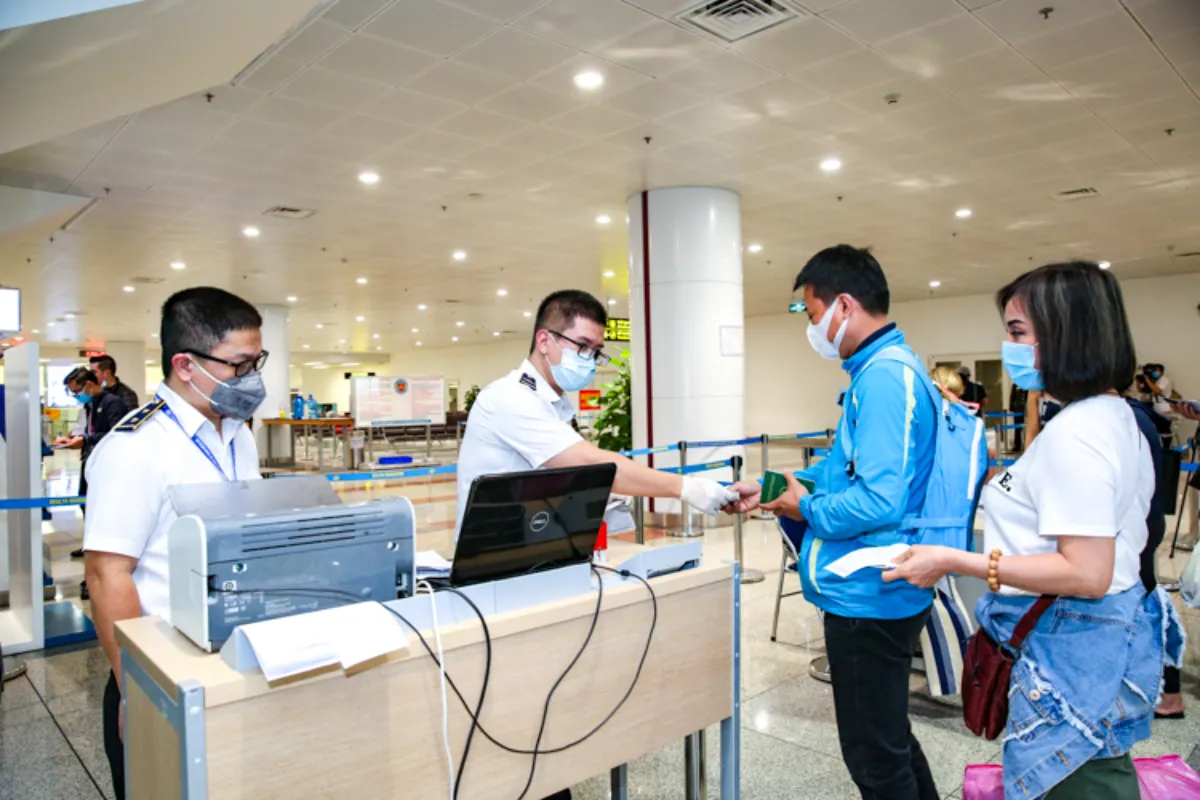
- Health requirements for travelers entering Vietnam are currently relatively relaxed compared to previous years.
- Vietnam does not require international visitors to purchase travel insurance as part of the Vietnam immigration process. However, tourism authorities strongly recommend that travelers obtain insurance coverage in case of illness, accidents, or unexpected travel disruptions.
- As of 2026, Vietnam also does not require proof of COVID-19 vaccination or negative test results for most international travelers entering the country.
- In certain public health situations, authorities may temporarily require travelers to complete electronic health declarations either before arrival or at the airport.
- Travelers are also encouraged to prepare basic health precautions, including bringing personal medication, maintaining international health insurance, and keeping emergency contact information readily available.
Vietnam Airport Fast Track – The Fastest Way Through Immigration
For travelers seeking a smoother and more comfortable airport experience, Vietnam airport fast track services offer a valuable solution.
This premium service assists international passengers in completing arrival procedures quickly and efficiently. When using Vietnam airport fast track, a professional airport representative meets travelers at the aircraft gate or arrival hall and escorts them through priority lanes.

Instead of waiting in long queues, travelers using Vietnam airport fast track can complete the Vietnam immigration process in approximately 5 to 15 minutes. During busy travel periods, standard immigration lines may take 30 to 60 minutes or longer, making the fast track service particularly beneficial. The service is especially helpful for business travelers with tight schedules, families traveling with children, elderly passengers, and visitors who prefer a stress-free arrival experience.
In addition to saving time, Vietnam airport fast track ensures that travelers receive assistance navigating the airport, completing entry formalities, and moving smoothly through immigration and customs procedures.
Vietnam continues to welcome visitors from around the world with open arms. By understanding the latest Vietnam immigration requirements and preparing the necessary documents before departure, travelers can enjoy a seamless arrival experience.
With the right preparation and the option of Vietnam airport fast track, your journey into Vietnam can begin smoothly, allowing you to focus on what truly matters, discovering the beauty, culture, and unforgettable experiences that await throughout this remarkable country.

Comment (0)