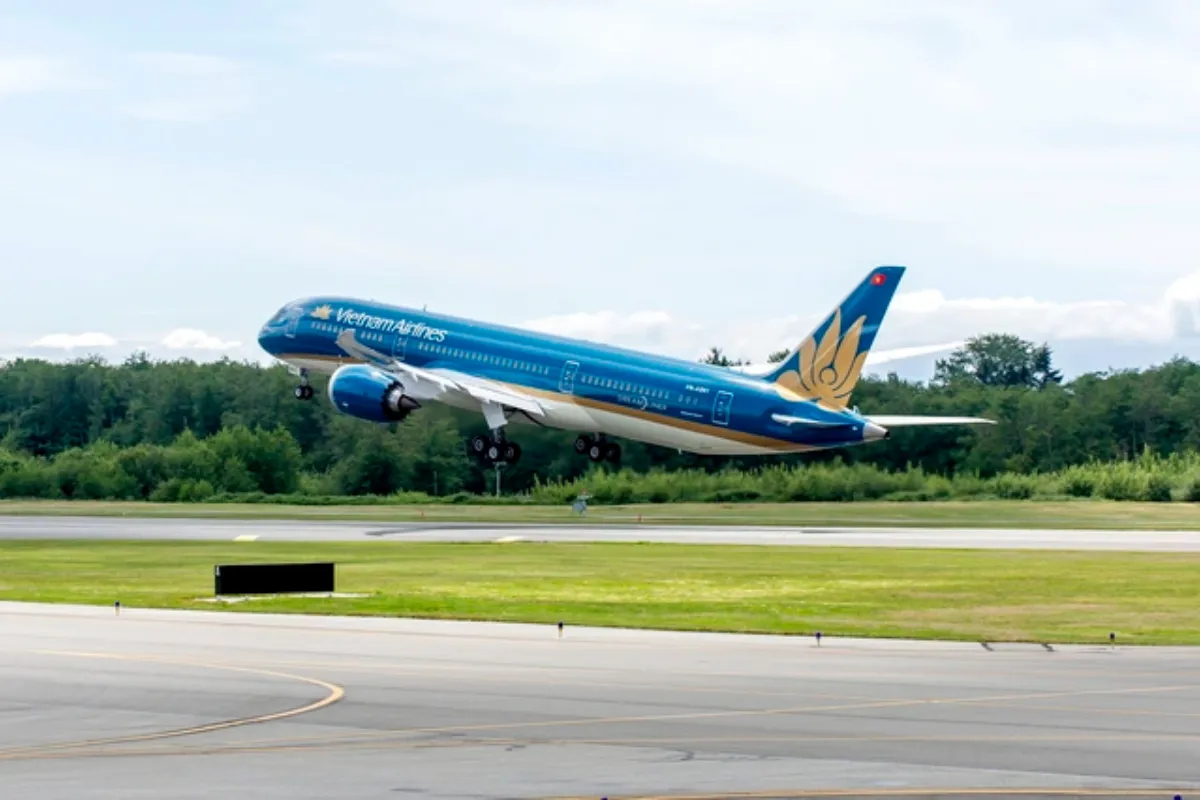
For many international travelers, the journey to Vietnam officially begins the moment their plane lands at a Vietnam airport. After hours of flying, visitors are often eager to pass through the airport quickly and begin exploring the country. However, if you are visiting for the first time, the arrival process at a Vietnam airport may feel unfamiliar.
Understanding what happens after landing can make a big difference. From immigration procedures to baggage claim and customs inspection, each Vietnam airport follows a similar process for international arrivals. Knowing what to expect helps travelers avoid confusion, reduce waiting time, and move through the airport more smoothly.
Vietnam welcomes millions of visitors every year, and its major international gateways are designed to handle large numbers of passengers. Whether you land in Noi Bai International Airport, Tan Son Nhat International Airport, or Da Nang International Airport, the basic arrival procedures are quite similar.
This guide explains the full arrival process at a Vietnam airport so that international travelers know exactly what to expect after landing.
Arrival Process at a Vietnam Airport
Step 1: Following Arrival Signs
After the aircraft lands and passengers disembark, the first thing travelers will notice inside a Vietnam airport is the clearly marked arrival signage. International terminals usually have signs directing passengers toward immigration and passport control.
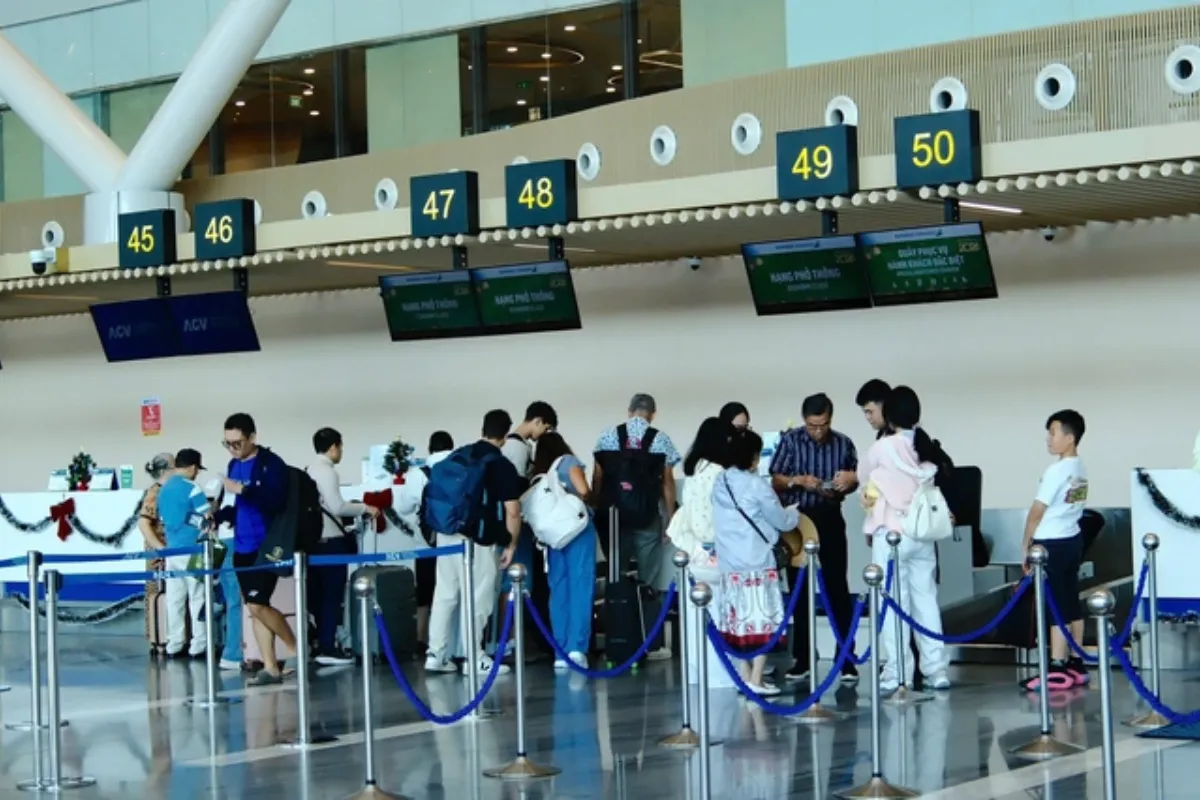
Depending on the gate location, travelers may need to walk several minutes before reaching the immigration hall. During this time, it is a good idea to prepare your travel documents, including your passport, visa, and any arrival forms.
Most Vietnam airport terminals are designed to guide passengers efficiently through the arrival route. Airport staff and signage help ensure that international travelers follow the correct path toward immigration control.
Step 2: Visa on Arrival Procedures
Some travelers arriving at a Vietnam airport use the Visa on Arrival system. In this case, passengers must visit the visa counter before proceeding to immigration control.
The Visa on Arrival desk is usually located before the immigration area. Travelers will need to present several documents, including a valid passport, a visa approval letter issued before the trip, and a completed entry form. A stamping fee is also required to receive the visa.
The waiting time at this counter depends on the number of travelers arriving at the same time. When several international flights land simultaneously at a Vietnam airport, the visa processing queue may become longer. Travelers who already have an electronic visa can skip this step and move directly to immigration.
Step 3: Immigration Control
Immigration control is typically the most time-consuming part of arriving at a Vietnam airport. After entering the immigration hall, passengers join the queue for foreign passport holders. At the immigration counter, a border officer checks the traveler’s passport and visa before granting entry into Vietnam. Once the documents are verified, the officer places an entry stamp in the passport.
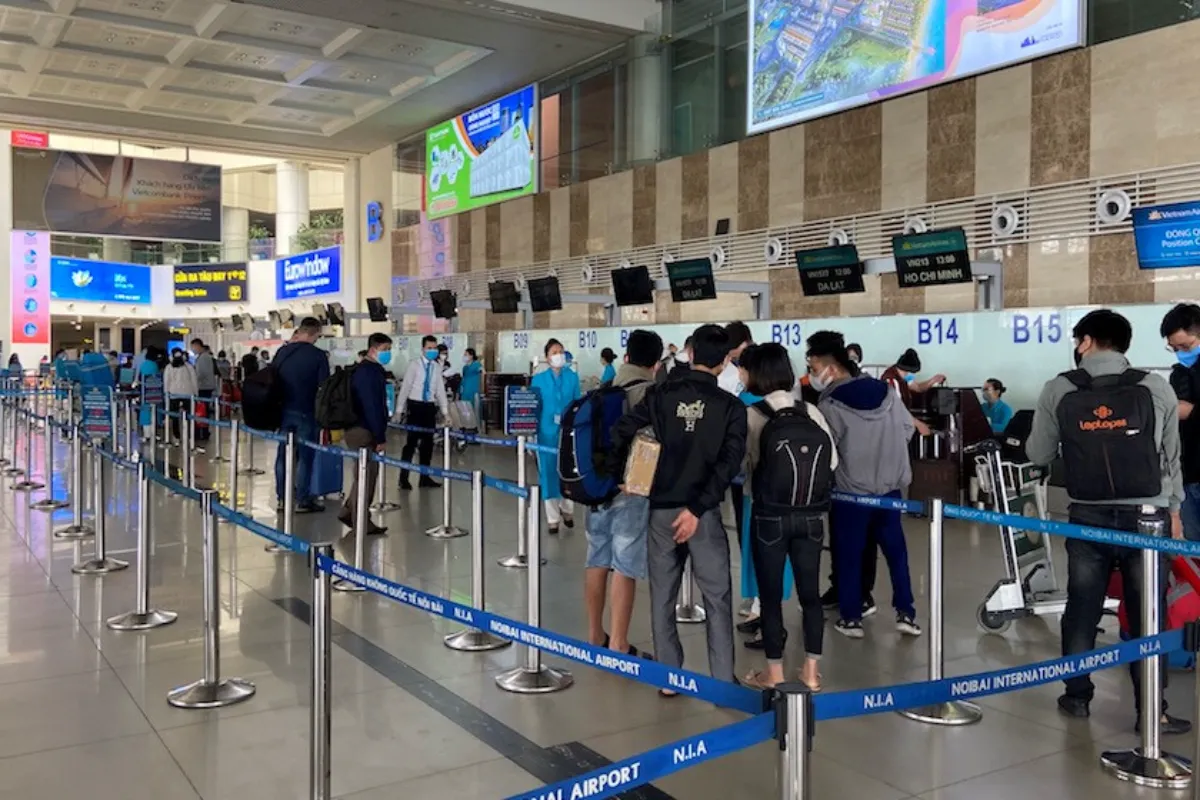
The waiting time at immigration varies widely depending on passenger volume. During quiet periods, travelers may complete this step quickly. However, when multiple international flights arrive within a short time frame, queues at a Vietnam airport can become quite long. In busy hours, travelers may wait anywhere from thirty minutes to more than an hour before reaching the immigration desk.
Step 4: Baggage Claim
After passing through immigration, passengers proceed to the baggage claim area inside the Vietnam airport terminal. Electronic display screens show which carousel corresponds to each arriving flight.
Travelers simply locate their flight number and wait near the designated conveyor belt for their luggage. The waiting time for baggage usually ranges from ten to thirty minutes. If luggage does not appear, airline service counters are available in the baggage claim hall to assist travelers with reporting missing baggage. Baggage claim areas in major Vietnam airport terminals are typically spacious and easy to navigate, making this step relatively straightforward for most passengers.
Step 5: Customs Inspection
The final stage of the arrival process at a Vietnam airport is customs inspection. After collecting their luggage, travelers walk toward the customs checkpoint before exiting the terminal. Most passengers will pass through the green channel, which is intended for travelers who have nothing to declare. Those carrying items that must be declared should use the red channel for customs inspection.
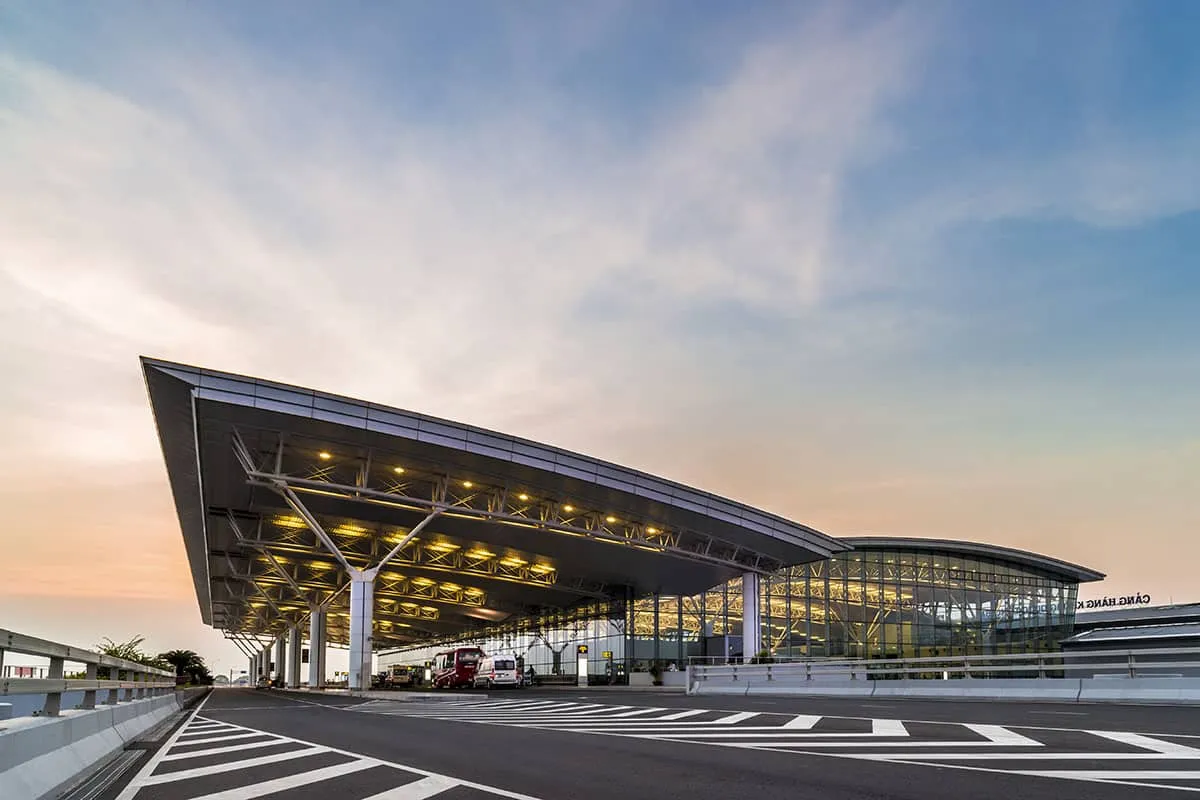
Customs procedures at a Vietnam airport are usually quick for tourists who are not carrying restricted goods. After passing through customs, travelers officially enter the public arrival area where transportation services, tour guides, and airport transfers are available.
How Long Does the Arrival Process Take At A Vietnam Airport?
The total time required to complete arrival procedures at a Vietnam airport depends on several factors. Passenger volume, visa requirements, and the number of arriving flights can all influence waiting times.
Travelers using the Visa on Arrival system generally need additional time because they must visit the visa counter before immigration. This extra step can add fifteen to forty-five minutes to the overall arrival process.
Immigration queues are often the longest part of arriving at a Vietnam airport. During peak hours, when multiple international flights arrive close together, the immigration hall may become crowded. Under typical conditions, the full arrival process at a Vietnam airport may take between one and two hours. However, during less busy periods, travelers may pass through the airport much faster.
Common Challenges At A Vietnam Airport
Long Immigration Lines
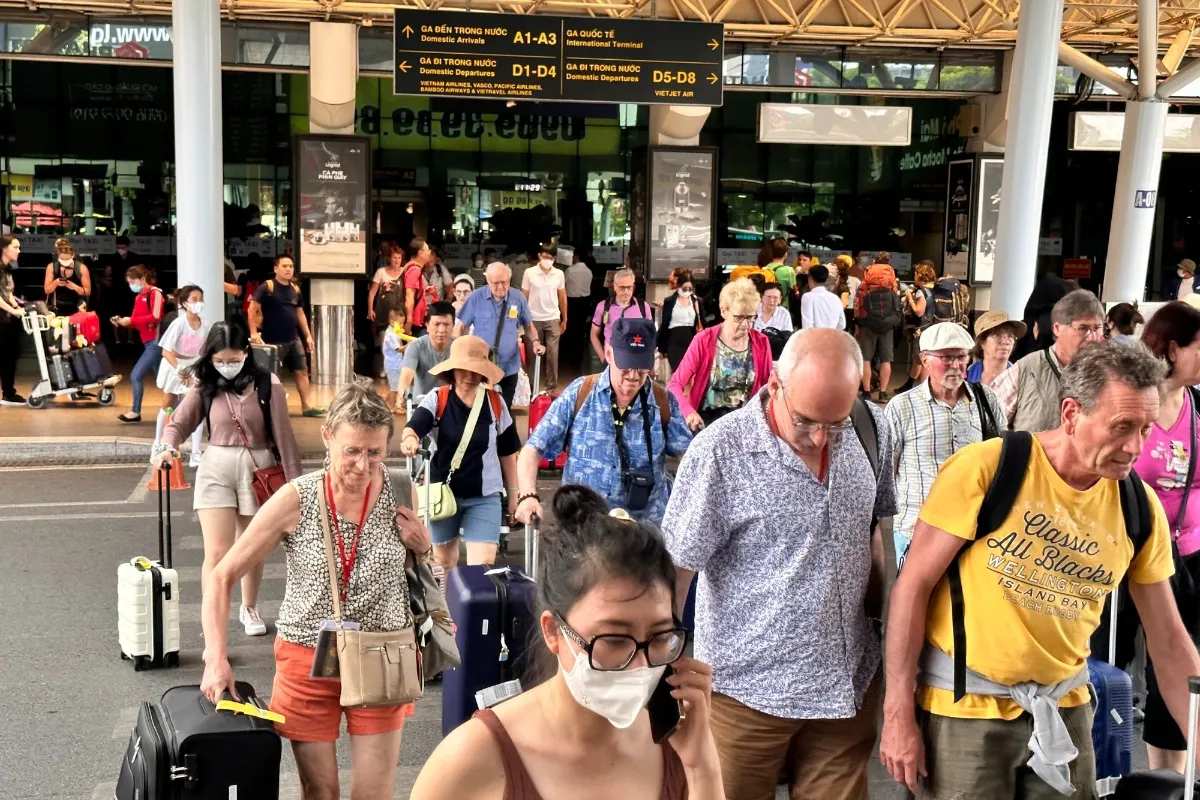
One of the most common challenges travelers encounter at a Vietnam airport is long immigration queues. When several international flights arrive at the same time, passengers from different flights join the same lines. This situation can significantly increase waiting times, especially during evening arrival periods.
Confusion About Visa Requirements
Some travelers arriving at a Vietnam airport may be unsure whether they need to visit the Visa on Arrival counter or proceed directly to immigration.
This confusion can cause delays if passengers join the wrong queue and later realize they must return to the visa desk. Understanding your visa type before landing helps avoid this problem.
Language Barriers
Although major Vietnam airport staff regularly assist international travelers, communication may sometimes be limited if travelers need detailed explanations. Fortunately, airport signs are usually written in English as well as Vietnamese, making it easier for visitors to navigate the arrival process.
Tips to Move Through A Vietnam Airport Faster
Travelers who prepare in advance can often move through a Vietnam airport more efficiently.
One useful strategy is to apply for an electronic visa before traveling. Having an e-visa allows passengers to skip the Visa on Arrival counter and proceed directly to immigration control.
Another helpful tip is to prepare your passport and travel documents before the aircraft lands. Being ready when you reach the immigration area can save time and reduce stress.
Choosing seats near the front of the plane can also make a difference. Passengers who exit the aircraft earlier often reach immigration lines before most other travelers.
Many experienced travelers also arrange airport transfer services in advance. Knowing how you will leave the Vietnam airport after arrival helps you move quickly through the final stages of the process.
Why Some Travelers Use VietNam Fast Track Services

For travelers who prefer a faster and more convenient experience, Vietnam fast track services are available at many Vietnam airport terminals. These services are designed to help passengers move quickly through immigration procedures. Airport staff typically assist travelers upon arrival and guide them through priority lanes where available.
Business travelers often choose this option when they need to minimize waiting time. Families traveling with children may also find the service helpful, especially after long international flights. By reducing time spent waiting in immigration queues, fast track services can significantly improve the arrival experience at a Vietnam airport.
Conclusion
Arriving at a Vietnam airport is generally a straightforward process, but understanding the procedures in advance can make the experience much smoother. From following arrival signs to completing immigration checks, collecting luggage, and passing through customs, each step is designed to guide travelers efficiently into the country.
Although waiting times may vary depending on passenger volume, most travelers can complete the arrival process at a Vietnam airport within one to two hours. Preparing documents in advance, understanding visa requirements, and planning transportation ahead of time can help reduce delays.
For many visitors, the first impression of Vietnam begins at the airport. By knowing what to expect when arriving at a Vietnam airport, international travelers can start their journey with confidence and focus on enjoying everything Vietnam has to offer.

Comment (0)