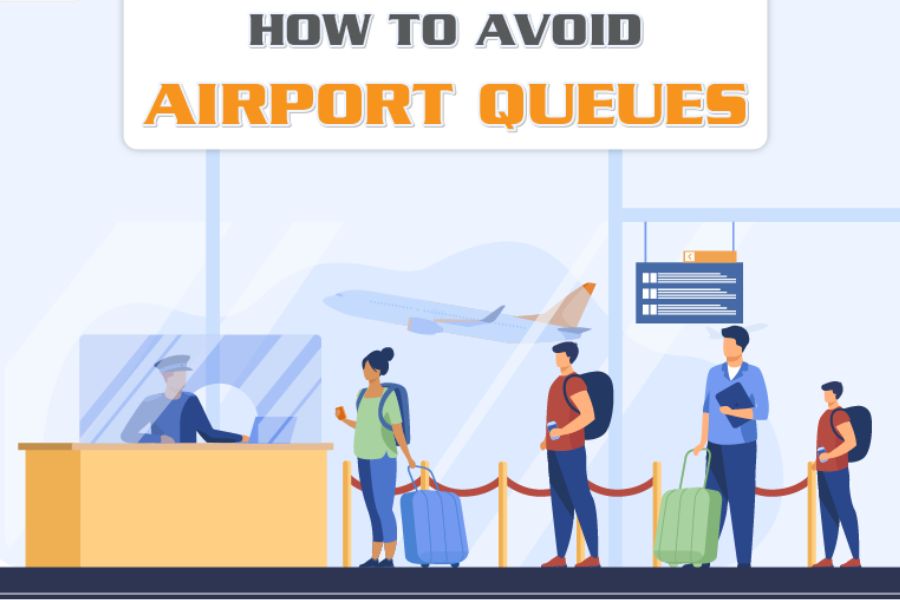
Learning how to avoid airport queues can save valuable time and reduce travel stress. From choosing the right arrival time to using online check-in and preparing documents in advance, several simple strategies can help travelers move through busy airports more efficiently. By understanding terminal operations and optimizing personal preparation, any passenger can navigate bottleneck areas quickly, bypass long lines, and establish a seamless path from the curb directly to the departure gate.
Why Airport Queues Happen
Airport congestion is rarely a random occurrence. It is the structural result of massive passenger volumes funneling through rigid regulatory and operational check-points within a condensed timeframe.
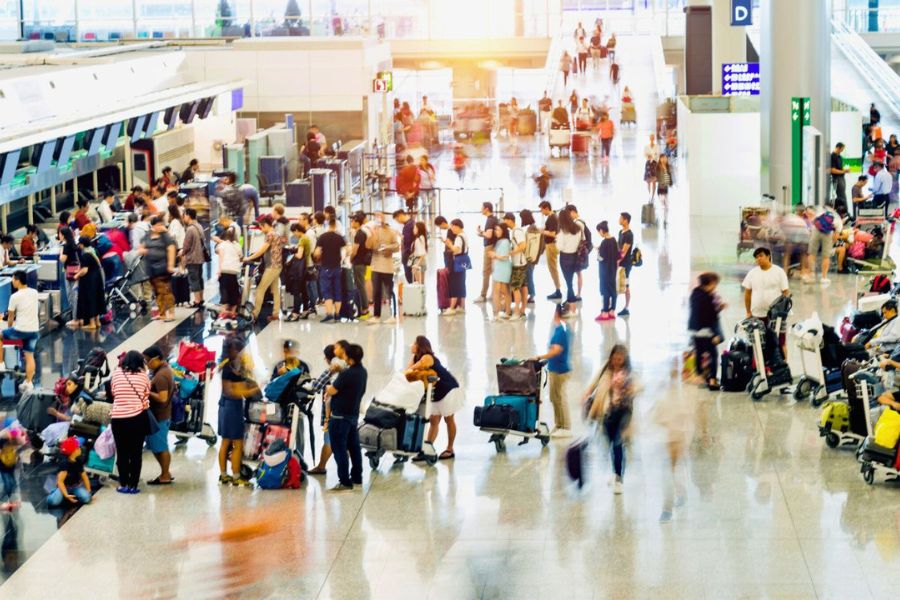
Check-In Congestion
The initial bottleneck occurs at the airline ticket counters. Lines form rapidly when hundreds of passengers from concurrent flights all attempt to print physical boarding passes, verify travel visas, and weigh checked baggage at the same time. This process slows down significantly when passengers are unprepared with their documentation or carry overweight suitcases.
Security Screening Delays
The transportation security checkpoint is a major cause of airport waiting times. Delays happen when travelers wait until they reach the scanning bins to look for liquids, take off heavy jackets, remove belts, or dig out laptops from deep inside their bags. A single unprepared passenger can stall an entire screening lane for several minutes.
Immigration Bottlenecks
For international journeys, border control centers often face severe crowding. These lines lengthen when arrival or departure flights overlap during peak hours, causing a sudden influx of travelers that outnumbers the scheduled passport control officers on duty.
Boarding Gate Crowds
Queue build-ups happen at the departure gate when passengers gather around the boarding lanes long before their specific seating group is called. This crowding creates physical blockages, slows down the boarding process, and complicates terminal traffic flow.
Seasonal Travel Peaks
During major holidays, school vacation periods, and summer months, passenger volumes surge well beyond typical terminal capacities. These seasonal spikes put extra strain on every part of the airport infrastructure, meaning even minor operational delays can quickly turn into long lines throughout the building.
| Airport Area | Common Cause of Delays |
| Check-In Desk | Unprepared travel documents, manual visa verifications, and overweight baggage adjustments. |
| Security Checkpoint | Forgetting to separate liquids, delayed electronics removal, and wearing complex metal accessories. |
| Immigration Counter | Incomplete customs or arrival declarations, invalid visas, and overlapping international flight schedules. |
| Boarding Gate | Passengers lining up out of turn or carrying oversized cabin bags that exceed airline size limits. |
The Best Time to Arrive at the Airport
Timing is everything when it comes to managing airport waiting times. Arriving too late causes panic, while arriving too early might mean waiting around before check-in counters even open.
For domestic flights, arriving 2 hours prior to departure is typically sufficient. For international flights, a buffer of 3 hours is highly recommended. However, these guidelines should be adjusted based on the specific time of day and season.
Early morning departures (typically between 6:00 AM and 9:00 AM) and evening banks (5:00 PM to 8:00 PM) represent peak operational hours when business commuters and long-haul international travelers clog terminal entries. If you are flying during these high-density windows or during major holiday periods, add an extra 60 minutes to your arrival plan to comfortably account for unpredictable terminal lines.
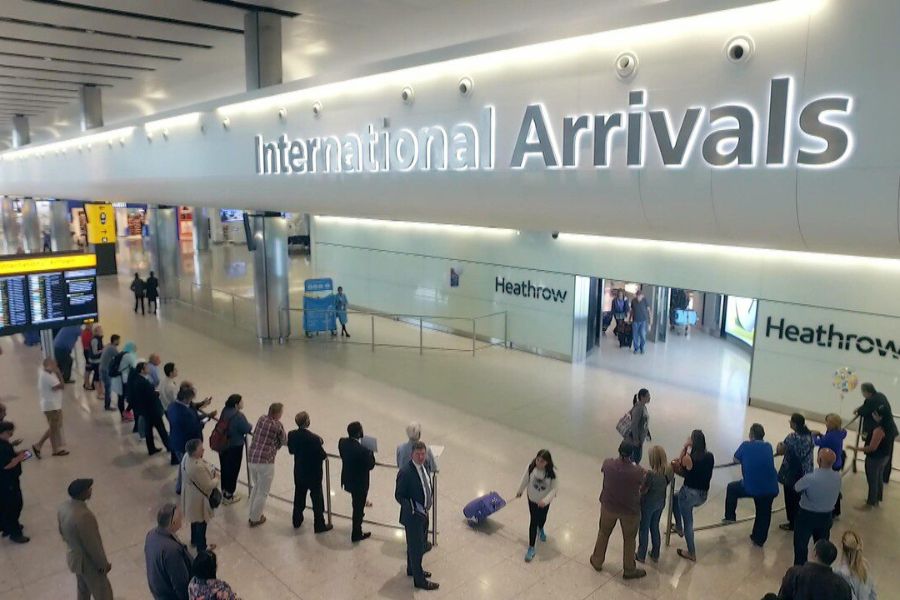
How Online Check-In Can Save Time
Embracing digital airline tools is one of the most effective self-help airport time saving tips available to modern travelers.
Mobile Boarding Passes
Most commercial airlines allow passengers to check in via their official mobile application or website 24 to 48 hours before the flight leaves. Doing this generates a digital mobile boarding pass with a scannable QR code. If you are traveling with carry-on luggage exclusively, you can bypass the main airport check-in desks entirely and head straight to the security screening lines.
Seat Selection
Checking in online early gives you access to the widest selection of available seats. Securing your preferred seat ahead of time eliminates the stress of trying to coordinate seat assignments with a gate agent at a crowded terminal desk.
Baggage Drop Options
If you need to check larger suitcases, online check-in still saves significant time. Most major airlines feature dedicated “Bag Drop” counters or automated self-service kiosks. Because your digital check-in is already complete, dropping off your luggage at these designated stations is much faster than waiting in the traditional, full-service check-in lines.
Digital Travel Documents
Many airline apps now allow passengers to scan and upload their passports and destination visas digitally prior to travel day. This advance verification streamlines your terminal profile, reducing the need for lengthy manual document reviews by counter agents at the airport.
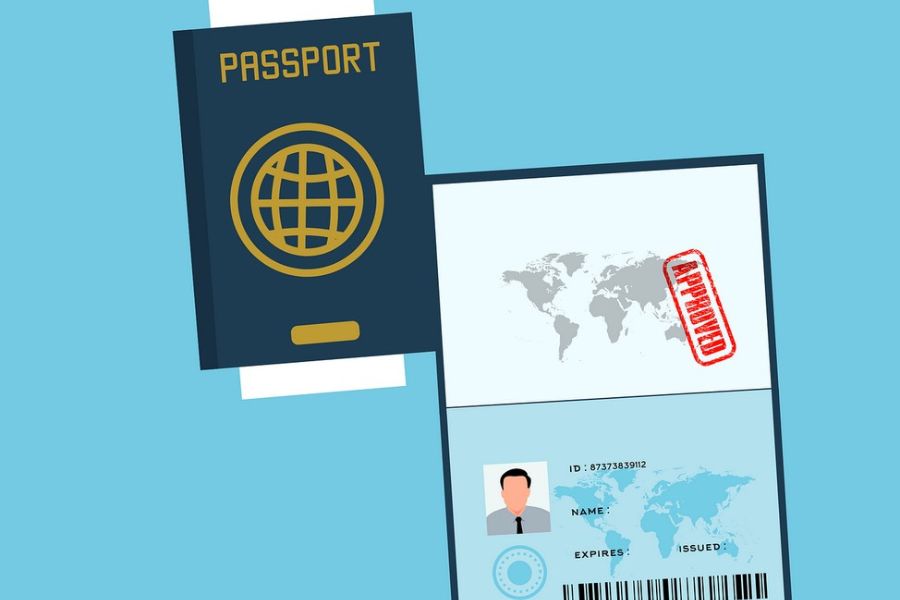
Preparing Documents Before Reaching the Airport
An elegant, efficient path through an airport requires keeping your essential identification and travel approvals highly organized and easily accessible.
| Document Type | Format Standard | Verification Step | Storage Location |
|---|---|---|---|
| Passport | Physical Document | Confirm 6+ months of validity remaining | Front zippered pocket of personal carry-on bag |
| Boarding Pass | Digital & Printed | Download to mobile wallet; keep 1 paper copy | Phone lock screen / Outer jacket pocket |
| Visas / E-Visas | Printed Paper | Verify names match passport exactly | Alongside physical passport booklet |
| Customs Forms | Digital QR Code | Complete online form 24 hours before departure | Saved photo gallery / Offline access folder |
Travelers departing from busy airports may explore different ways to reduce waiting times. In some cases, using a dịch vụ fast track sân bay tân sơn nhất can be one option among several strategies for managing airport queues more efficiently. However, maintaining personal organization of your physical paperwork remains an essential step for a smooth journey through any terminal.
Smart Packing Strategies That Reduce Delays
The way you organize your luggage plays a direct role in how fast you move through airport security queues. Packing errors frequently cause bags to get pulled aside for manual inspection, which adds unnecessary delays to your travel day.
Carry-On Organization
When packing your cabin bag, follow a “last-in, first-out” strategy for items that must be scanned separately. Place your liquids bag, laptop, tablet, and any external power banks at the very top of your backpack or suitcase so you can pull them out easily without rummaging through your clothes.
Security-Friendly Packing
Keep your personal liquids and gels strictly compliant with international aviation rules. All containers must be 100ml (3.4 ounces) or less and fit comfortably inside a single, transparent, quart-sized plastic bag. Any containers larger than 100ml—even if they are only half-full—will be confiscated by security officers, causing immediate line friction.
Liquids and Electronics
Large electronics like laptops, tablets, and e-readers block X-ray machines from seeing what else is in your bag. Pack these items in a dedicated, easily accessible sleeve so you can slide them into the security bins quickly and keep the line moving.
Avoiding Prohibited Items
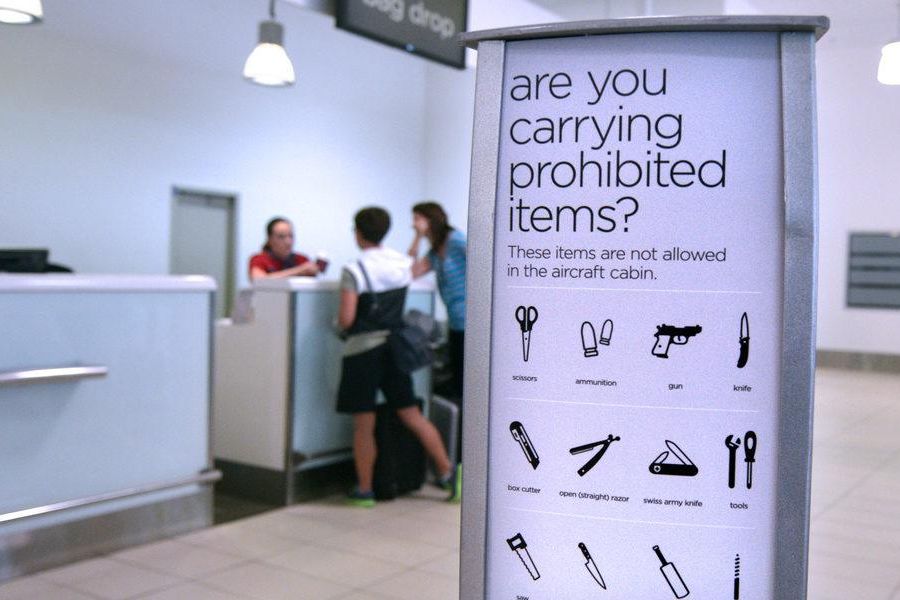
Double-check the contents of your bags before leaving home to ensure you aren’t accidentally carrying restricted items. Things like pocket knives, oversized multi-tools, safety matches, and flammable aerosols should be left behind or packed in checked luggage according to airline guidelines.
Airport Navigation Tips for Faster Movement
Moving quickly through a major aviation hub requires spatial awareness and proactive navigation strategies.
Following Airport Signage
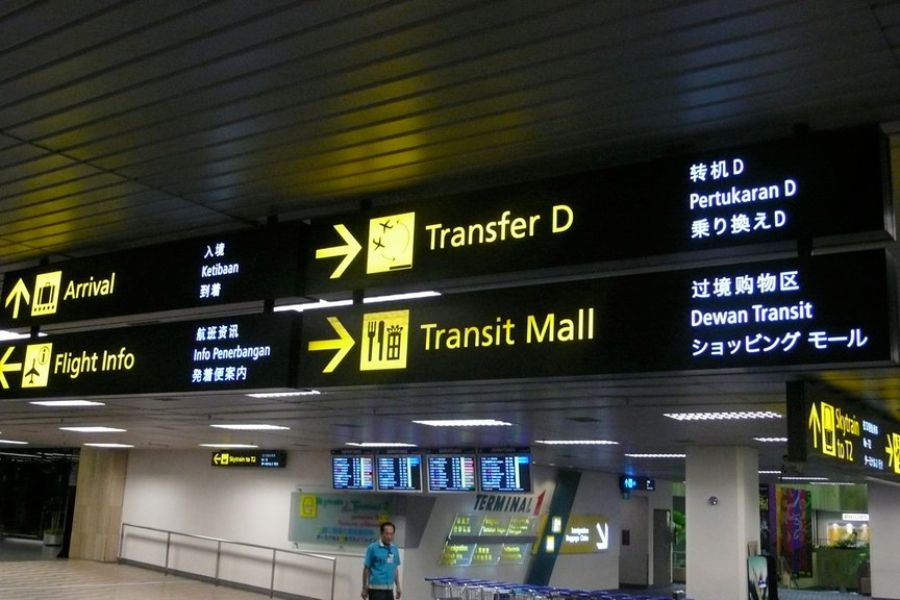
Look up and rely on the overhead terminal signs rather than your phone screen when navigating a new airport. Universal icons and clear color-coded indicators for “Departures,” “Gates,” “Baggage Claim,” and “Ground Transport” are designed to provide the fastest, most direct walking routes through the terminal layout.
Understanding Terminal Layouts
Spend a few minutes reviewing a digital map of your departure terminal before you arrive. Knowing whether your gate is in a separate concourse or requires a ride on an automated terminal shuttle train prevents confusion and helps you plan your walking time accurately.
Monitoring Flight Updates
Gate assignments and flight times can change unexpectedly. Keep an eye on the terminal’s digital flight information screens, or sign up for real-time text or app notifications from your airline to track adjustments and head toward the correct gate area early.
Choosing Less Crowded Security Checkpoints
Many large airports feature multiple security screening zones that lead to the same departure gates. If you notice a long line at the main terminal entrance, take a look down the concourse—often, a secondary or higher-level security checkpoint will be much less crowded and faster to move through.
Planning Connections Carefully
When booking an itinerary with a layover, ensure you have a comfortable connection window. For international connections, allow at least 2 to 3 hours to clear transit immigration, collect and re-check bags if necessary, and walk between terminals without having to run to catch your next flight.
Common Mistakes That Lead to Long Airport Queues
Avoiding these frequent travel errors can save you from unnecessary delays and help keep terminal lines moving efficiently for everyone.
- Arriving Too Late: Cutting your arrival window too close leaves you no buffer for unexpected delays. Always follow recommended arrival timelines to keep your travel day stress-free.
- Ignoring Online Check-In: Waiting to check in at the airport ticket counter guarantees you’ll stand in the longest lines of the terminal. Take two minutes to check in on your mobile device before leaving home.
- Packing Prohibited Items: Carrying oversized liquids or restricted tools ensures your bag will be flagged for manual security screening. Review packing rules carefully before you close your suitcase.
- Keeping Documents Inaccessible: Digging through deep backpack pockets for your passport or boarding pass at the front of the line slows down everyone behind you. Keep important papers in an easily accessible pocket.
- Choosing Flights During Peak Periods: Booking departures during holiday surges or commuter rush hours means dealing with maximum airport crowds. Opt for midday or mid-week flights when terminals are typically quieter.
Tips for Families, Elderly Travelers, and Business Travelers
Tailoring your terminal navigation plan to your specific travel group can significantly reduce wait times and keep your journey on track.
Families
When traveling with kids, turn airport procedures into an organized, collaborative process. Assign older children easy tasks, like keeping track of their own small rolling bags or watching for gate signs. Use a lightweight, cabin-approved folding stroller that can pass through security scanners smoothly, and pack plenty of low-mess snacks to keep everyone happy during unexpected waits.
Elderly Travelers
For senior passengers, physical stamina is an important consideration when dealing with long terminal walks and static lines. Do not hesitate to request complimentary wheelchair or mobility assistance from your airline at least 48 hours before your flight. An airport attendant will guide you through terminal procedures comfortably, saving your energy for the trip ahead.
Business Travelers
For corporate frequent flyers, speed and agility are top priorities. Stick to carry-on luggage exclusively to bypass baggage check and claim loops completely. Invest in a streamlined travel wardrobe with slip-on shoes and minimal metal accessories to breeze through security checks effortlessly.
Frequently Asked Questions
- How early should I arrive at the airport?
For domestic flights, you should arrive at least 2 hours prior to your scheduled departure time. For international journeys, arriving 3 hours early is highly recommended. Add an extra hour if you are traveling during major holiday seasons or peak morning and evening commute windows. - Does online check-in reduce waiting times?
Yes, online check-in significantly reduces terminal waiting times. It allows you to bypass the traditional check-in lines completely if you are traveling with carry-on luggage only, or gives you access to faster, dedicated bag-drop lanes if you have larger suitcases to check. - What causes long airport security lines?
Long lines at security checkpoints are typically caused by high passenger volumes during peak hours, combined with delays from unprepared travelers who forget to separate liquids, leave laptops in their bags, or wear shoes and accessories with metal components. - Which documents should I prepare before arriving?
Before reaching the terminal, ensure you have a valid passport (with at least 6 months of validity for international trips), your printed or digital mobile boarding pass, necessary tourist visas, and any required customs or entry declarations ready to present. - How can I move through security faster?
To move through security quickly, wear slip-on shoes and minimal jewelry, and avoid belts with large metal buckles. Place your quart-sized liquids bag and large electronic devices at the top of your carry-on bag so you can slide them into the screening bins effortlessly. - What are the busiest times at airports?
Airports generally experience peak passenger volumes during early morning hours (6:00 AM to 9:00 AM) and early evening blocks (5:00 PM to 8:00 PM) on weekdays due to business travel, as well as throughout weekends and major national holiday periods. - How can families reduce airport waiting times?
Families can save time by completing online check-in, using dedicated family security lanes when available, packing snacks to avoid long restaurant lines, and using compact, travel-friendly strollers that fold up easily for security scanning. - What mistakes cause the longest delays?
The longest airport delays are usually caused by travelers arriving too close to departure time, packing oversized liquids or restricted items in carry-on baggage, and keeping their passports or boarding passes tucked away where they aren’t easily accessible at checkpoints.
Conclusion
Breezing through busy transportation hubs comes down to understanding terminal operations and prioritizing personal organization. By learning how to avoid airport queues through proactive habits-like completing online check-in, mastering security-friendly packing guidelines, and managing your arrival timing-you can take full control of your travel day.
Avoiding common mistakes like keeping important travel documents tucked away or packing restricted items keeps your journey smooth and stress-free. Whether you are traveling for business, vacationing with family, or frequent flying, using these self-help strategies will help you navigate terminal bottlenecks efficiently. Plan your details early, organize your gear intentionally, and enjoy a faster, more relaxed airport experience.

Comment (0)