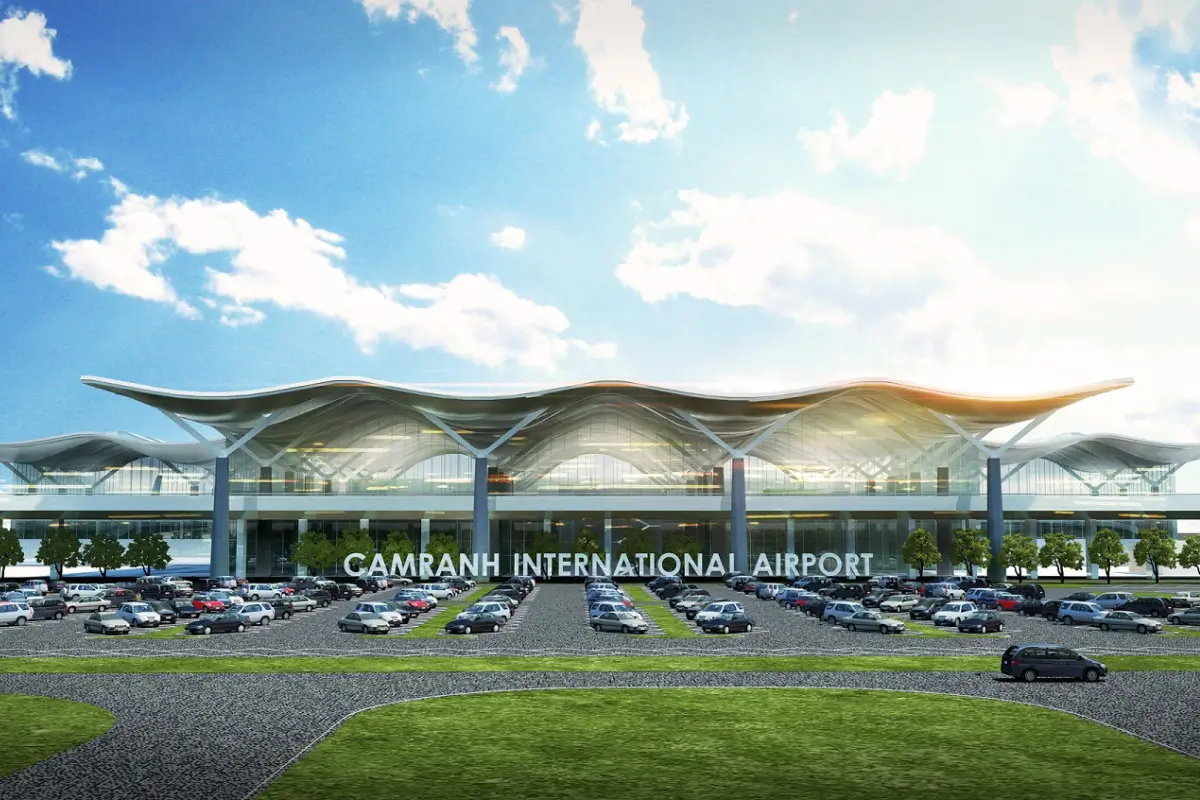
Cam Ranh International Airport (CXR) serves as the sole commercial air gateway to the coastal city of Nha Trang and the broader Khanh Hoa province. This comprehensive guide provides strictly factual, updated information regarding the terminal layouts, visa and immigration procedures, and standardized ground transportation methods. Understanding these logistical details prior to your flight will effectively minimize transit waiting times and ensure a highly efficient arrival or departure process.
Introduction to the Aviation Gateway of South Central Vietnam
Planning a trip to the coastal region of Central Vietnam requires a thorough understanding of your point of entry: Cam Ranh International Airport, recognized globally by its International Air Transport Association code, CXR. Located in Khanh Hoa Province, this facility operates as the primary aviation hub connecting global and domestic travelers to the city of Nha Trang and the surrounding coastal areas. As of 2026, Cam Ranh Airport handles millions of passengers annually, standing as the fourth busiest airport in Vietnam. Its geographical location, situated approximately 35 kilometers south of the Nha Trang city center, makes it a strategic starting point for tourists and business travelers alike.
The history of Cam Ranh Airport provides important context for its current scale and infrastructure. Originally constructed in the 1960s, the facility functioned exclusively as a major military airbase. It was not until 2004 that the Vietnamese government converted the base to serve commercial civilian flights. Since that transition, the airport has undergone massive structural expansions to accommodate the rapid growth of the tourism sector in Khanh Hoa Province. The most significant of these upgrades occurred with the inauguration of a dedicated international terminal in 2018, which fundamentally changed the operational capacity of the airport. Today, the facility is recognized not only for its volume but also for its quality, having recently achieved top rankings at the Skytrax World Airport Awards for its exceptional cleanliness and operational efficiency.
Understanding the specific layout, the distinct separation of terminals, the legal procedures for entry and exit, and the transportation logistics is essential for any traveler. This comprehensive guide provides every necessary detail to ensure your transit through Cam Ranh Airport is efficient, predictable, and comfortable. We will examine the architectural structure of both terminals, provide a step-by-step walkthrough of immigration and customs, outline the departure protocols including the Value Added Tax refund process, and present a detailed analysis of all ground transportation options available upon arrival.
Architectural Layout and Terminal Infrastructure
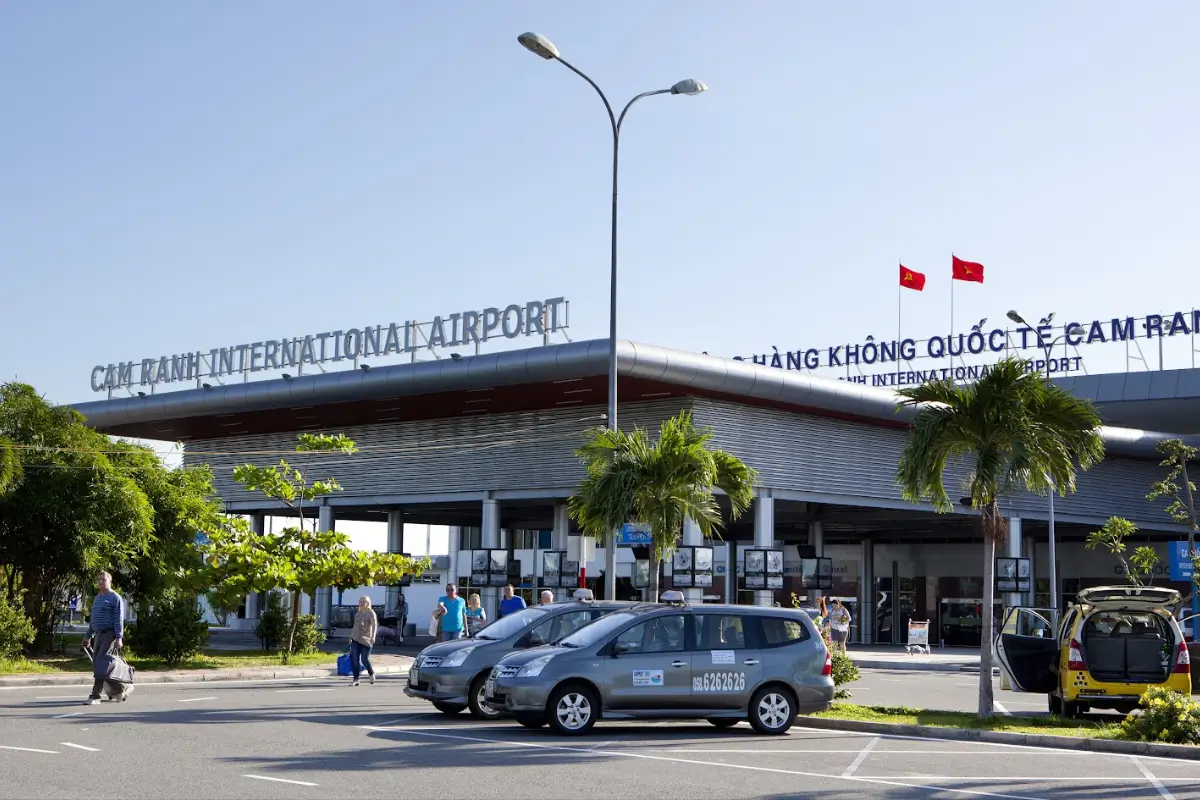
Cam Ranh International Airport utilizes a two-terminal system. This dual-structure approach physically separates domestic passenger traffic from international passenger traffic. This separation is a deliberate operational strategy designed to reduce congestion during peak travel seasons, streamline security screening processes, and allow each building to offer services tailored to the specific needs of its demographic. The two terminals are located adjacent to each other on the airport property, allowing for straightforward pedestrian movement if a passenger needs to transfer between a domestic and an international flight.
Terminal 1: The Center for Domestic Travel
Terminal 1 is the original commercial passenger building at Cam Ranh Airport. Currently, it is dedicated entirely to processing domestic flights operating within the borders of Vietnam. If you are flying into or out of Cam Ranh from other major Vietnamese cities such as Hanoi, Ho Chi Minh City, Da Nang, or Hai Phong, your entire airport experience will take place within this building.
The physical layout of Terminal 1 is organized across two primary levels to facilitate a logical flow of passenger movement. The ground floor is designated exclusively for arriving passengers. When a domestic flight lands, passengers disembark and are directed straight into the baggage claim area on this ground level. Because domestic flights do not require passport control or customs inspections, the arrival process in Terminal 1 is exceptionally fast. Passengers simply locate the carousel assigned to their flight, retrieve their luggage, and walk directly out the main exit doors to the ground transportation pickup zone.
The first floor of Terminal 1 serves as the departure hall. This level contains the ticketing and baggage drop-off counters for all domestic airlines operating at the airport. The most prominent carriers include Vietnam Airlines, Vietjet Air, Bamboo Airways, and Vietravel Airlines. After completing the check-in process, passengers proceed to the centralized security screening checkpoint on the same floor. The security process requires the removal of electronic devices and metallic items, consistent with standard aviation security protocols. Beyond the security checkpoint lies the domestic departure lounge. This waiting area provides ample seating, charging stations for electronic devices, and a selection of local food and beverage vendors. Boarding gates in Terminal 1 utilize a combination of direct jet bridges connected to the aircraft and shuttle buses that transport passengers to planes parked on the remote apron.
Terminal 2: The Modern International Facility
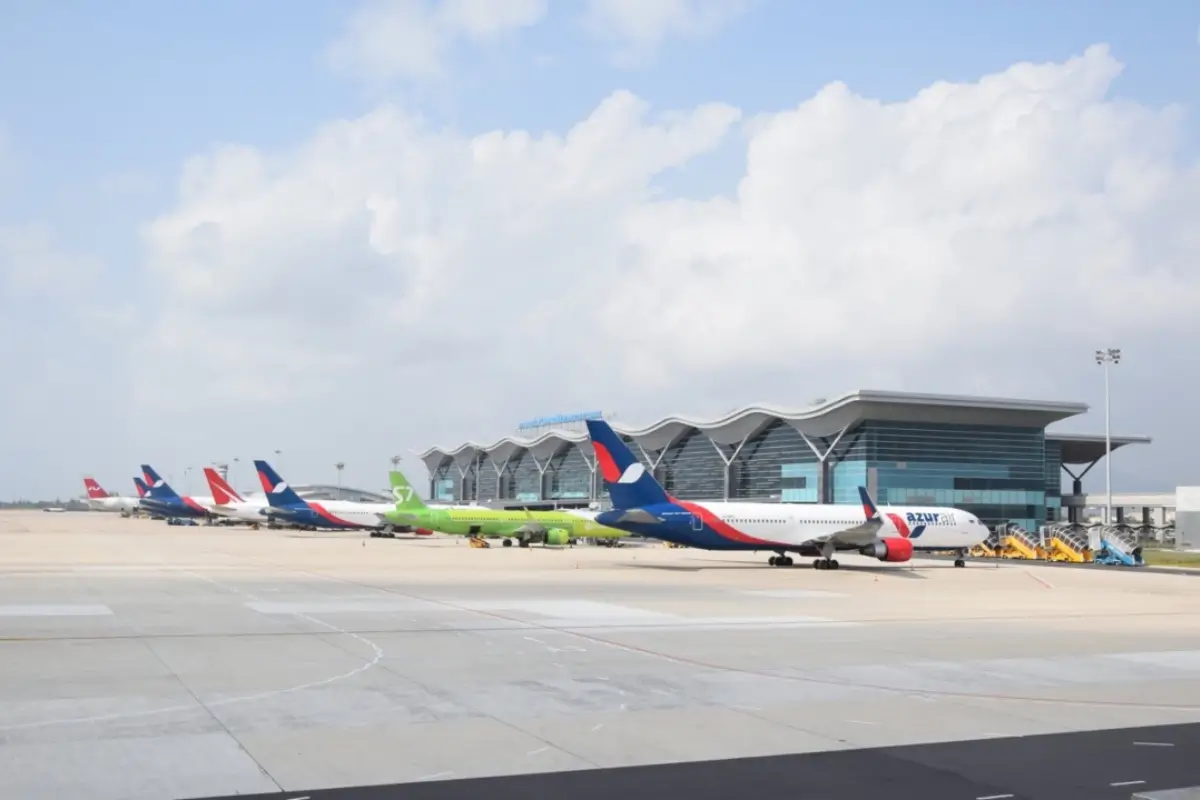
Terminal 2 represents a major advancement in Vietnam’s aviation infrastructure. Opened to the public in mid-2018, this facility was constructed specifically to handle the surging volume of international tourists visiting the region. The architectural design of Terminal 2 is notable for its distinct roof structure. The roof was engineered to mimic the visual characteristics of a salangane’s nest. The salangane is a species of bird native to the Khanh Hoa region, and its nest is a highly valued local commodity. This design choice provides cultural significance while the extensive use of glass facades maximizes the entry of natural sunlight, reducing the reliance on artificial lighting during the day.
The interior of Terminal 2 spans over 50,000 square meters and is engineered to process up to four million international passengers annually. Similar to the domestic facility, Terminal 2 is divided into functional levels. The first floor is strictly for international arrivals. This area houses the immigration control desks, the visa processing offices, the international baggage claim carousels, and the customs inspection stations. The layout is expansive to prevent overcrowding when multiple wide-body aircraft arrive simultaneously from destinations in East Asia, Northern Europe, and Central Asia.
The second floor of Terminal 2 operates as the international departure zone. The check-in hall is massive, featuring dozens of processing counters equipped with modern baggage weighing and routing technology. The international security screening and exit immigration areas are located just past the check-in counters. Once passengers clear these legal checkpoints, they enter the international departure lounge. This area is significantly more luxurious than its domestic counterpart, featuring high-end duty-free shopping outlets, a wider variety of international dining options, and premium passenger lounges. The facility maintains rigorous hygiene standards, contributing to its status as one of the cleanest regional airports in the global aviation industry.
Step-by-Step Procedures for International Arrivals
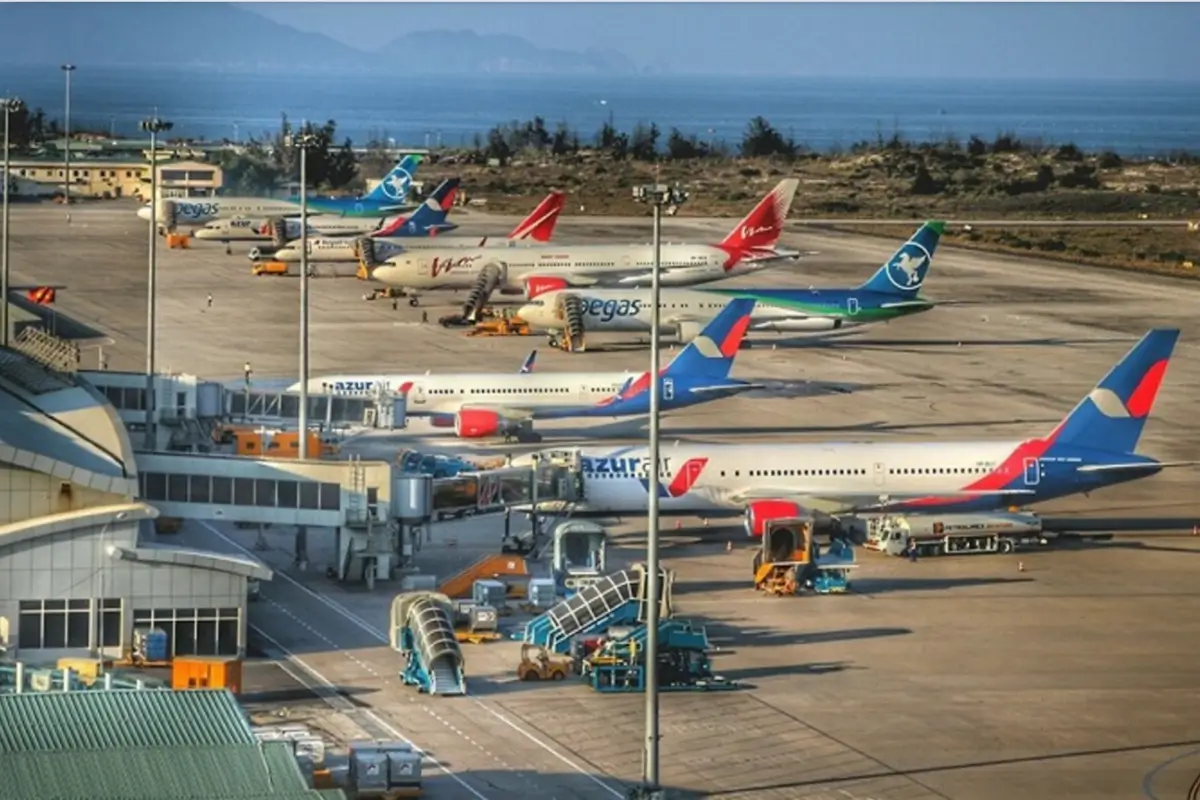
Arriving in a foreign country requires compliance with specific legal and security protocols. At Cam Ranh International Airport, the arrival procedures in Terminal 2 are structured sequentially. Travelers must complete immigration clearance, baggage retrieval, and customs declarations before they can exit the building. Proper preparation of travel documents will significantly reduce the time spent in these processing areas.
Immigration Clearance and Visa Verification
The first required stop after leaving your aircraft is the immigration control hall. The Government of Vietnam enforces strict entry requirements, and your specific procedure depends entirely on your nationality and the type of visa you possess. Certain nationalities benefit from bilateral visa exemption agreements, allowing them to enter Vietnam for a limited number of days without applying for a visa in advance. If you hold a passport from an exempt country, you must proceed directly to the standard immigration counters and present your passport and a printed copy of your return flight ticket to the border officer.
Travelers who require a visa must ensure they have the correct documentation. The Electronic Visa, commonly known as the E-visa, is the most efficient method for entry. Travelers must apply for the E-visa through the official Vietnamese government website prior to their departure. Upon arrival at Cam Ranh Airport, passengers with an approved E-visa should present their physical passport along with a printed copy of the E-visa document directly to the immigration officer at the main counters. Digital copies on mobile phones are generally accepted, but a printed copy prevents delays caused by technical issues or dead batteries.
Another available option is the Visa on Arrival process. This method requires the traveler to obtain a pre-approval letter from a licensed Vietnamese travel agency before flying. When you arrive at Terminal 2, you must not join the standard immigration line immediately. Instead, locate the Visa Application desk situated to the left side of the immigration hall. At this desk, you are required to submit your original passport, the printed pre-approval letter, two standard passport-sized photographs, and the mandatory visa stamping fee. This fee must be paid in cash, and United States Dollars are the preferred currency. Once the immigration staff processes your paperwork and affixes the visa sticker into your passport, you will receive your documents back. You must then join the standard immigration line to receive your entry stamp from a border control officer.
Baggage Retrieval and Customs Inspections
Immediately following immigration clearance, passengers enter the international baggage claim hall. Large electronic display boards are positioned throughout the area to direct passengers to the specific carousel assigned to their flight number. The airport utilizes automated baggage handling systems to ensure luggage is delivered from the aircraft to the carousels rapidly. While waiting for your luggage, you have the opportunity to utilize the currency exchange counters and telecommunication kiosks located within this secure zone.
After collecting all checked baggage, every passenger must pass through the customs inspection checkpoint before exiting into the public arrivals hall. Vietnam operates a standard dual-channel customs system. The Green Channel is designated for travelers who have no goods to declare. You may use the Green Channel if your belongings consist only of personal effects and do not exceed the legally permitted duty-free allowances. The Red Channel is mandatory for travelers carrying items that exceed these allowances.
Vietnamese customs regulations are strict regarding the importation of certain goods. You must declare your items if you are carrying more than 1.5 liters of liquor with an alcohol volume above 22 percent, or more than two liters of liquor below 22 percent alcohol volume. The allowance for tobacco is strictly limited to 200 cigarettes or 250 grams of loose tobacco. Furthermore, any traveler carrying foreign or domestic currency with a total value exceeding 5,000 United States Dollars, or its equivalent in other currencies, must complete a customs declaration form at the Red Channel. Customs officers reserve the right to perform random X-ray screenings of any passenger’s luggage, regardless of which channel they choose, to ensure strict compliance with national import laws.
Departure Protocols and Security Requirements
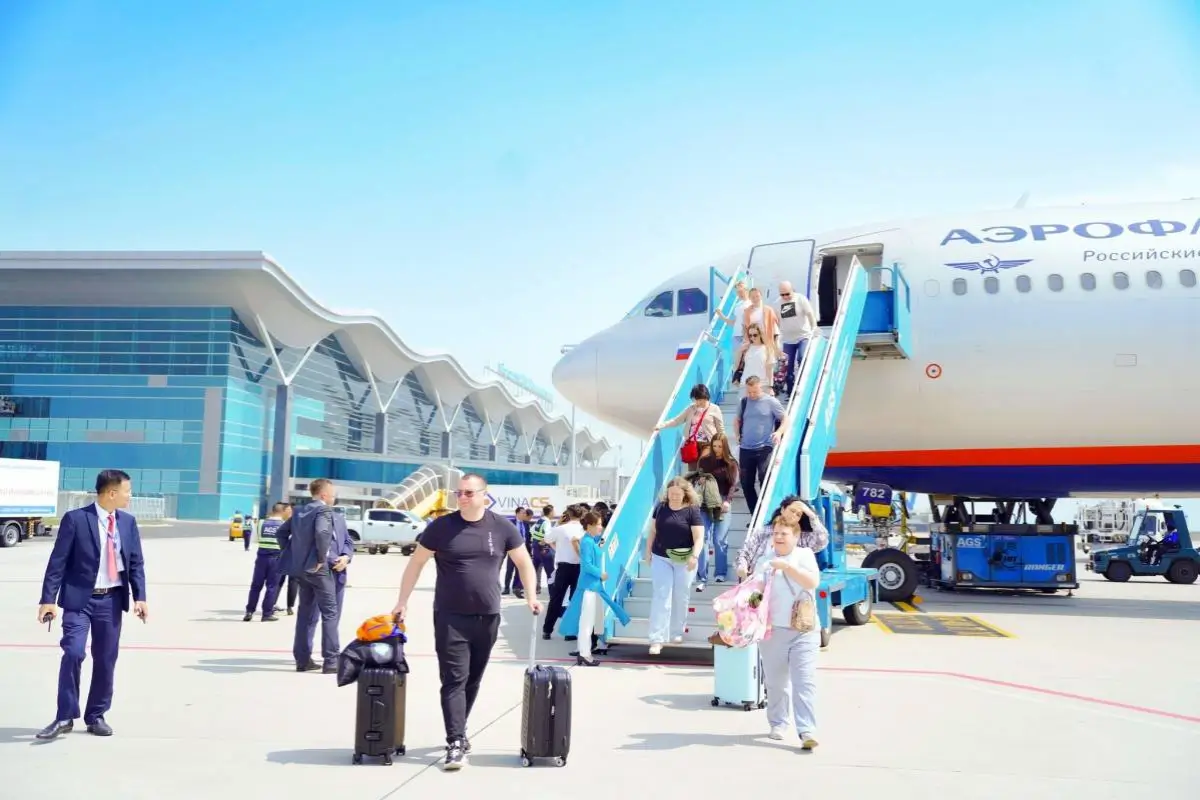
The process of departing from Cam Ranh Airport requires careful time management. The airport authority strongly advises passengers to arrive at Terminal 1 at least two hours prior to the scheduled departure time for domestic flights. For international flights departing from Terminal 2, passengers must arrive a minimum of three hours before the scheduled departure. This time buffer is necessary to account for potential queues at the check-in counters, security screening, and exit immigration.
The Check-in Process
The check-in procedure begins at the main departure halls on the upper levels of both terminals. For domestic flights in Terminal 1, travelers can often bypass the traditional check-in desks by utilizing self-service electronic kiosks located near the entrance. Many domestic airlines also support mobile check-in applications. If you are traveling exclusively with carry-on luggage, utilizing these digital check-in methods allows you to proceed directly to the security checkpoint. If you need to check heavy baggage, you must join the queue for the bag-drop counters designated for your specific airline.
International departures in Terminal 2 follow a more stringent protocol. Check-in counters typically open exactly three hours before the flight’s scheduled departure and close strictly fifty minutes before takeoff. Passengers are required to present their physical passport and their flight itinerary. Airline staff will also verify that you possess the necessary visa or entry documents for your final destination country. Once your baggage is weighed, tagged, and transferred to the conveyor system, the agent will issue your physical boarding pass.
Value Added Tax (VAT) Refund Procedure
International tourists departing from Vietnam are eligible to receive a refund on the Value Added Tax paid on certain goods purchased during their stay. This is a highly beneficial process but requires strict adherence to the rules. To qualify, you must have purchased goods from official shops that participate in the VAT refund program. The total value of the goods on a single invoice must equal or exceed two million Vietnamese Dong. The goods must be brand new, unused, and carried with you on the aircraft. Furthermore, the purchase must have been made within thirty days of your departure date.
The VAT refund process at Cam Ranh Airport must be initiated before you check your luggage, as customs officers need to inspect the physical items. First, locate the Customs VAT Certification counter in the public area of the Terminal 2 departure hall. Present your passport, your boarding pass or confirmed flight ticket, the original purchase invoices, the official VAT refund declaration forms provided by the shops, and the actual goods. Once the customs officer verifies the items and stamps your declaration forms, you can proceed to check in your luggage. After passing through security and exit immigration, you must locate the VAT Refund counter inside the international departure lounge. Present your stamped forms to the bank teller at this counter, and they will disburse your refund, usually in cash in the currency of your choice, minus a small administrative processing fee.
Security Screening and Exit Immigration
All passengers must undergo thorough security screening. You are required to place all carry-on bags on the X-ray conveyor belt. You must remove laptop computers, large electronic tablets, and any liquids from your bags and place them in separate trays. For international flights, liquids are strictly regulated; they must be contained in individual containers no larger than 100 milliliters, and all containers must fit within a single, transparent, resealable plastic bag. You must also remove metallic items, belts, heavy jackets, and sometimes your shoes before walking through the metal detector.
For international passengers in Terminal 2, security screening is followed immediately by exit immigration. You must present your passport and boarding pass to the border officer. The officer will verify your identity, check your visa to ensure you have not overstayed your permitted duration in Vietnam, and stamp your passport with an exit record. Once this process is complete, you will enter the final departure lounge to await boarding.
Comprehensive Ground Transportation Logistics
Navigating the distance between Cam Ranh International Airport and the city center of Nha Trang requires selecting the appropriate mode of ground transportation. The distance is approximately 35 kilometers, and the journey typically takes between forty-five minutes and one hour, depending entirely on traffic conditions and the specific location of your final destination. Several distinct transportation methods are available, catering to different budgetary constraints and comfort preferences.
The Airport Shuttle Bus Service
The airport shuttle bus is the most economical transportation option available at Cam Ranh Airport. This service is operated by private transport companies, most notably the Dat Moi bus company. These vehicles are modern, fully air-conditioned, and designed specifically to transport passengers and their luggage. The bus pickup zone is clearly marked and located immediately outside the main exit doors of the arrivals level at both Terminal 1 and Terminal 2.
The bus operates on a fixed route that travels from the airport directly into the heart of Nha Trang city. The route primarily runs along the coastal Tran Phu Street and terminates near the old Nha Trang airport site on Hung Vuong Street. Tickets for the bus can be purchased at dedicated service counters located inside the airport terminal before you exit, or you can purchase a ticket directly from the driver upon boarding. The fare is highly affordable, making it the premier choice for solo travelers and budget-conscious tourists. The buses depart frequently, usually timed to coordinate with the arrival schedules of major domestic and international flights. It is important to note that because the bus follows a predetermined route, it will not drop you off directly at the entrance of your hotel. You may need to walk a short distance or hire a secondary, local taxi to complete the final segment of your journey.
Traditional Taxi Services
Traditional taxis are the most frequently utilized transportation method for travelers seeking direct, door-to-door service without the high cost of a private luxury car. Taxis are available twenty-four hours a day and are staged at official taxi ranks situated directly outside the arrivals area of both terminals. It is strongly advised to utilize only established, reputable taxi companies to ensure you receive fair pricing and professional service. The most recognized and reliable brands operating at the airport include Mai Linh Taxi, Vinasun Taxi, and Quoc Te Taxi.
When traveling from the airport to Nha Trang city center, the payment structure differs from standard city driving. Instead of using the electronic meter, most airport taxi drivers offer a fixed contract rate for the journey. This flat rate is a standard practice and is generally more economical than allowing the meter to run for 35 kilometers. Before you place your luggage into the vehicle or enter the cabin, you must clearly state your hotel destination to the driver or the official taxi dispatcher on the curb and verbally confirm the total fixed price. Establishing this agreement prior to departure prevents any financial misunderstandings upon arrival at your hotel.
Pre-Arranged Private Car Transfers
For travelers prioritizing comfort, privacy, and absolute convenience, securing a pre-arranged private car transfer is the optimal choice. This service involves booking a vehicle and driver prior to your arrival in Vietnam. You can arrange this service directly through the concierge desk at your hotel, through specialized travel agencies, or via numerous online transportation booking platforms.
The primary advantage of a private transfer is the personalized meet-and-greet service. Upon clearing customs and entering the public arrivals hall, you will find a professional driver holding a placard displaying your name. This eliminates the need to navigate taxi ranks, wait in queues, or negotiate prices in a foreign currency after a long flight. The driver will assist you with your luggage and escort you to a late-model, climate-controlled vehicle. Private transfers offer a variety of vehicle sizes, ranging from standard sedans for couples to large multi-passenger vans equipped with ample luggage space for families or corporate groups. While this is the most expensive ground transportation option, the seamless experience it provides is highly valued by many travelers.
Application-Based Ride-Hailing Services
Ride-hailing technology, specifically the Grab application, is fully operational within the Khanh Hoa Province. Passengers can use their mobile devices to request a vehicle immediately upon arrival. This method offers the benefit of transparent pricing, as the exact cost of the journey is calculated and displayed within the application before you confirm the booking. You can also link your credit card to the application, eliminating the need to handle local cash.
However, utilizing ride-hailing services at Cam Ranh Airport involves specific logistical considerations. Due to strict airport traffic management regulations, private ride-hailing drivers are often restricted from stopping directly at the primary curb right outside the arrivals doors, which is reserved for official taxis and buses. Consequently, the application will direct you to a designated pickup point located slightly further away, often in the outer lanes or a specific section of the parking facility. You must be prepared to walk your luggage to this designated zone. Additionally, the dynamic pricing algorithms used by these applications mean that during peak arrival times or bad weather, the cost of a ride-hailing vehicle may temporarily surge, potentially exceeding the cost of a traditional fixed-rate taxi.
Premium Traveler Facilities and Airport Amenities
Cam Ranh International Airport provides a comprehensive suite of facilities designed to ensure passengers have access to necessary services, comfortable waiting areas, and quality retail options. These amenities are distributed strategically across both terminals.
Business and Premium Passenger Lounges
For travelers seeking an environment insulated from the noise and activity of the main public concourses, the airport offers several premium lounges. In Terminal 1, the Lotus Lounge serves domestic passengers flying in business class on Vietnam Airlines or those holding elite status within the SkyTeam alliance. Terminal 2 features the international Lotus Lounge and the independent Sun Coast Lounge.
These facilities provide highly comfortable, ergonomically designed seating areas. Passengers have access to complimentary high-speed wireless internet, which is noticeably faster than the public network available in the main terminal. The lounges offer dedicated workstations, ample power outlets, and a selection of international newspapers and magazines. The culinary offerings include a hot and cold buffet featuring both traditional Vietnamese cuisine and international dishes, alongside a fully stocked bar offering alcoholic and non-alcoholic beverages. Additionally, the international lounges are equipped with private shower suites, allowing passengers to refresh themselves before a long-haul flight. Access to the independent lounges is not restricted exclusively to business class ticket holders; economy class passengers can purchase single-entry day passes at the reception desk or gain access through international lounge membership programs.
Retail Shopping and Culinary Options
The culinary landscape at the airport caters to a wide variety of tastes and dietary preferences. In both terminals, passengers can find fast-food franchises, such as Burger King, for quick and familiar meals. For those seeking local flavors, numerous stalls and sit-down restaurants serve traditional Vietnamese dishes, including steaming bowls of Pho noodle soup and freshly prepared Banh Mi sandwiches. Coffee culture is prominent, with local chains like Highlands Coffee and international brands like Star Cafe providing specialty beverages and pastries.
The retail environment, particularly the duty-free zone in Terminal 2, is extensive. Passengers can purchase luxury cosmetics, designer fragrances, imported tobacco products, and high-end spirits from globally recognized brands. Furthermore, the airport features specialized retail outlets dedicated to regional Vietnamese products. These stores are excellent venues for purchasing last-minute souvenirs, offering high-quality items such as locally sourced coffee beans, intricate silk garments, handcrafted jewelry, and premium health products derived from the region’s famous salangane bird nests.
Essential Services: Currency, Connectivity, and Support
Ensuring you have local currency and mobile connectivity is crucial before leaving the airport. Both the domestic and international arrivals halls house multiple telecommunication counters operated by Vietnam’s primary network providers, including Viettel, Vinaphone, and Mobifone. These vendors sell tourist-specific SIM cards that offer large data allowances valid for the duration of a typical vacation, allowing you to connect to the internet and use navigation applications immediately.
Currency exchange services are provided by official bank counters located in the arrivals areas. These counters offer competitive exchange rates for all major global currencies. Automated Teller Machines (ATMs) are also widely available throughout the public areas of both terminals, allowing you to withdraw Vietnamese Dong directly from your international bank account. Additional essential services include professional luggage wrapping stations in the departure halls to protect your checked bags, clearly marked medical first-aid rooms staffed by trained professionals, and designated smoking rooms equipped with heavy ventilation, as smoking is strictly prohibited in all general areas of the airport buildings.
Exploring the Immediate Cam Ranh Peninsula
While the majority of passengers utilize the airport merely as a transit point en route to the bustling city of Nha Trang, the immediate geographical area surrounding the airport, known as the Cam Ranh Peninsula, is a destination in its own right. Understanding the geography of this peninsula provides valuable options for your travel itinerary.
The Cam Ranh Peninsula is characterized by its expansive, undeveloped natural beauty, highlighted by Bai Dai, which translates to Long Beach. This stretch of coastline runs parallel to the main highway leading away from the airport. Unlike the energetic and heavily commercialized beaches of Nha Trang city, Long Beach offers pristine, powdery white sand and shallow, crystal-clear waters in a much more serene and secluded environment.
Over the past decade, this specific area has experienced massive investment from the luxury hospitality sector. Today, the peninsula is home to some of the most prestigious five-star resort complexes in Vietnam. These properties offer massive private villas, extensive golf courses, and world-class spa facilities. Because these resorts are located merely five to fifteen minutes away from the airport terminals, they represent a highly strategic accommodation choice. Many travelers choose to spend the first or last few nights of their vacation at a Cam Ranh resort to recover from jet lag or to ensure a completely stress-free, short commute to the airport for an early morning departure flight.
Conclusion: Navigating Your Coastal Journey
Cam Ranh International Airport (CXR) stands as a testament to the rapid modernization and economic growth of Central Vietnam. It has successfully evolved from a restricted military installation into an award-winning commercial aviation facility capable of handling millions of global travelers with remarkable efficiency. By clearly separating domestic and international operations across two distinct terminals, the airport minimizes logistical friction and maximizes passenger comfort.
Whether you are navigating the strict legal requirements of the international immigration process, executing a VAT refund on your purchases, or selecting the most efficient ground transportation to reach the center of Nha Trang, understanding the specific procedures outlined in this document is your blueprint for success. As you step out of the terminal and into the tropical climate of Khanh Hoa Province, the high operational standards of Cam Ranh Airport ensure that your coastal adventure begins and ends with the utmost professionalism, safety, and convenience.

Comment (0)