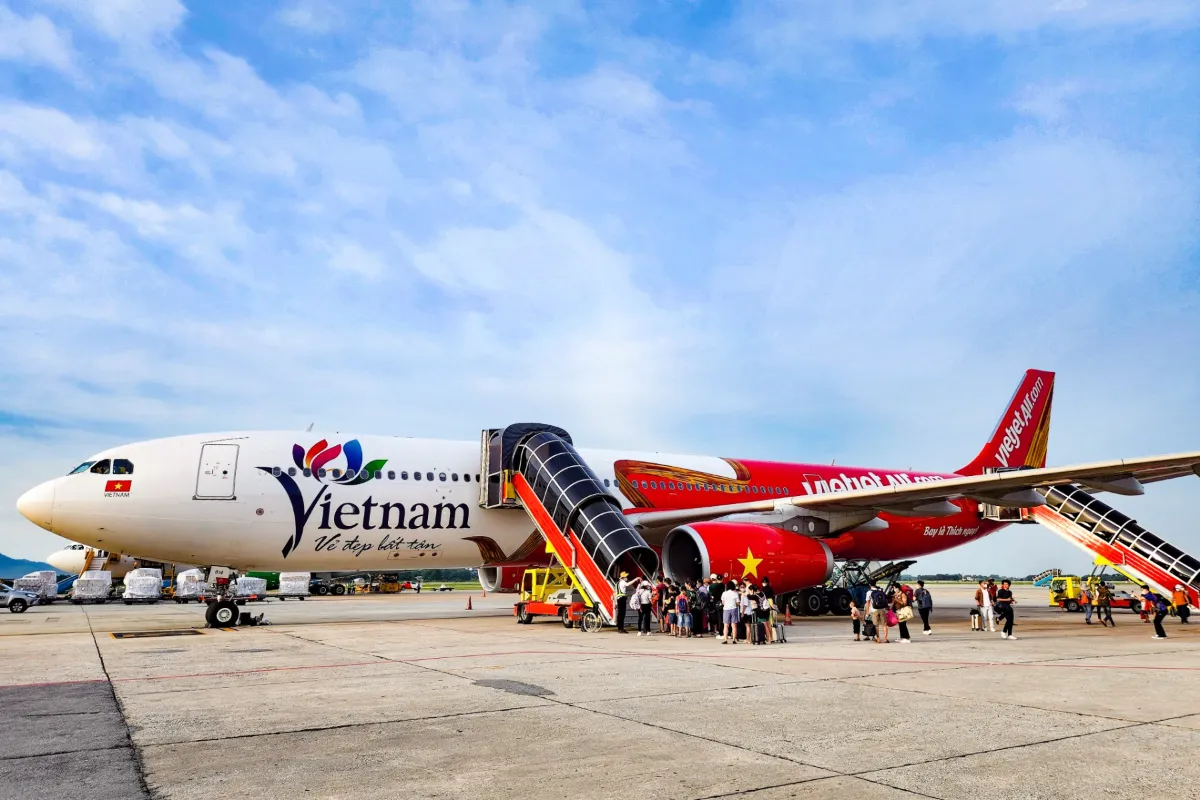
For many international travelers, arriving at a new airport can feel confusing, especially when dealing with immigration procedures. The Vietnam Airport Immigration process is generally straightforward and organized. After landing, passengers will go through immigration control, collect baggage, pass customs inspection, and then exit the airport. Understanding these steps before your trip can help you move through the airport more smoothly and avoid unnecessary delays.
Introduction To The Vietnam Airport Immigration Process
Entering Vietnam for the first time can be an exciting experience, but it also comes with a few formal procedures that every traveler must complete. The Vietnam Airport Immigration process is designed to verify the identity of incoming passengers, confirm visa eligibility, and ensure that visitors meet the country’s entry requirements.
In most cases, the procedure is quite similar to immigration processes in other countries. After your flight lands, passengers will walk from the aircraft to the immigration hall, where officers check passports and visas. Once immigration clearance is completed, travelers continue to baggage claim, pass customs inspection, and finally exit the airport arrival hall.
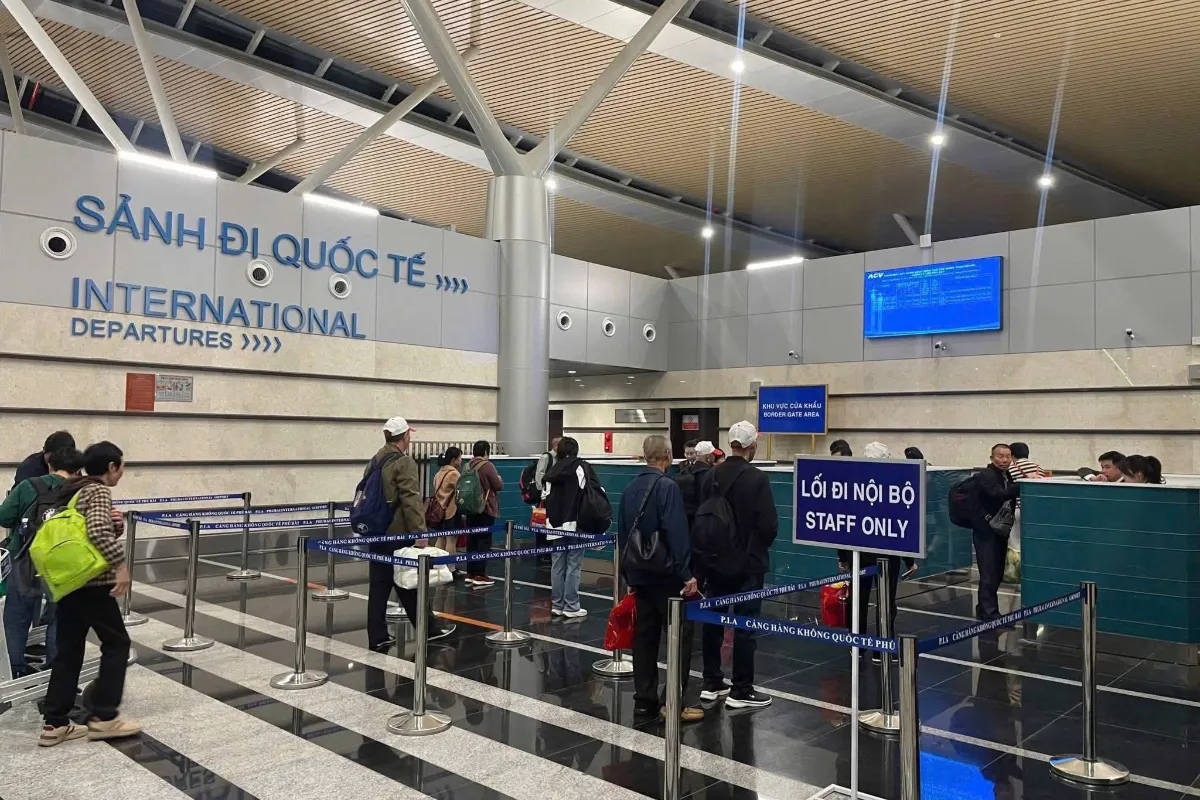
Vietnam currently has several major international airports that serve as entry points for foreign visitors. The most important ones include Noi Bai International Airport in Hanoi, Tan Son Nhat International Airport in Ho Chi Minh City, and Da Nang International Airport in central Vietnam. These airports handle the majority of international arrivals and operate well-organized immigration systems for foreign travelers.
Understanding the Vietnam Airport Immigration procedure before your trip can save a considerable amount of time. Many delays occur simply because passengers are unsure about where to go or which documents to prepare. By familiarizing yourself with the process beforehand, you can move through the airport more confidently and begin your journey in Vietnam without unnecessary stress.
What Documents Should You Prepare Before Landing?
Before your plane touches down, it is a good idea to prepare all the documents required for the Vietnam Airport Immigration process. Having everything ready in advance can make a noticeable difference in how quickly you pass through immigration control.
- Valid passport (must be valid for at least 6 months from the date of entry and have blank pages for immigration stamps)
- Printed Vietnam visa or e-visa if you applied online before traveling
- Visa Approval Letter (required if you are using Visa on Arrival)
- Completed entry/arrival form if provided by the airline during the flight
- Hotel booking confirmation or accommodation address in Vietnam
- Return or onward flight ticket (sometimes requested by immigration officers)
- Cash in USD or VND to pay the visa stamping fee if you are applying for Visa on Arrival
- Travel itinerary or contact details in Vietnam, in case immigration officers request additional information
- Customs declaration form if you are carrying items that must be declared
Step-By-Step Vietnam Airport Immigration Process
After your aircraft arrives and passengers begin leaving the plane, the Vietnam Airport Immigration procedure starts. Although airports may differ slightly in layout, the basic steps remain the same throughout the country.
Step 1: Proceed to the Immigration Area
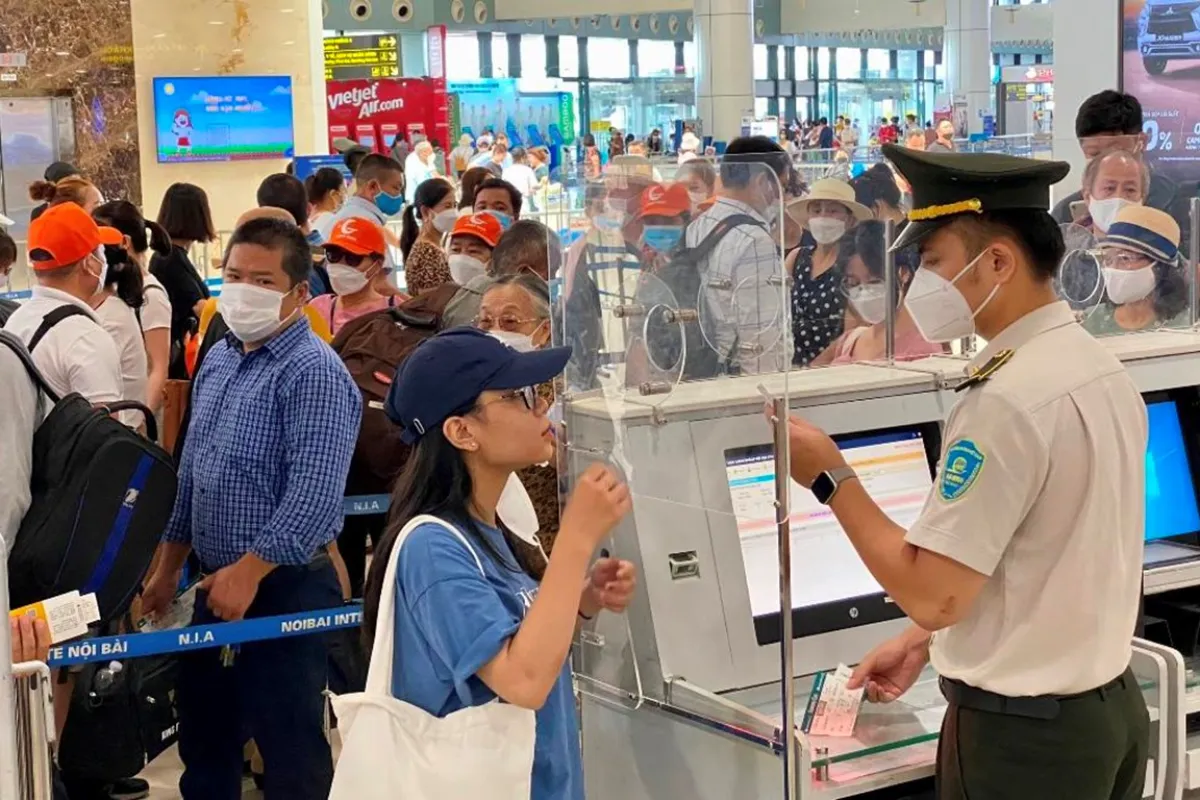
Once you leave the aircraft, airport staff and signs will guide passengers toward the immigration area. You should follow the signs marked “Immigration” or “Passport Control.” Major Vietnamese airports provide clear English signage, making navigation relatively simple for international visitors.
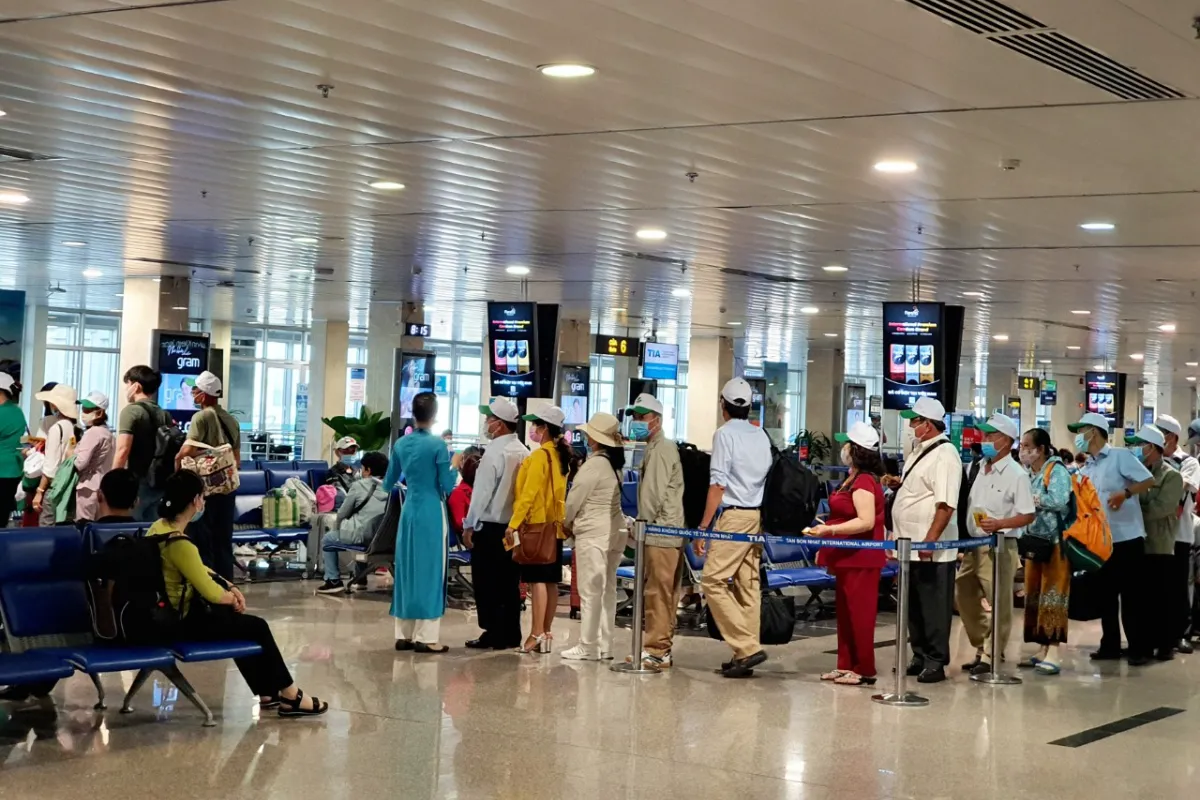
When you arrive at the immigration hall, you will notice separate queues for Vietnamese citizens and foreign passport holders. It is important to join the correct line for international travelers. Waiting in the wrong queue may slow down the process and require you to change lines later. During busy arrival periods, immigration halls may become crowded as several international flights arrive within a short period. Remaining patient and keeping your documents ready will help you move through the Vietnam Airport Immigration process more efficiently.
Step 2: Visa on Arrival Processing (If Applicable)
If you are traveling with a visa approval letter and plan to obtain your visa upon arrival, you must first visit the visa on arrival counter before joining the immigration queue. At this counter, travelers submit their passport, visa approval letter, and any required photos. The visa stamping fee must also be paid at this stage. After processing your application, airport staff will return your passport with the visa stamp attached.
This step may take some additional time, especially if many passengers are using the visa on arrival service at the same time. Once you receive your visa stamp, you can proceed to the immigration checkpoint and continue the Vietnam Airport Immigration process.
Step 3: Passport Inspection at Immigration
The next stage is passport control, which is the core part of the Vietnam Airport Immigration procedure. At the immigration counter, you will present your passport and visa to an immigration officer.
The officer will carefully check your passport details and confirm that your visa is valid for entry. In most cases, this process takes only a few moments. Occasionally, travelers may be asked simple questions about the purpose of their visit or how long they plan to stay in Vietnam. After verifying your documents, the immigration officer will stamp your passport with an entry seal. This stamp officially allows you to enter the country and marks the completion of the main immigration procedure.
Step 4: Collecting Your Checked Luggage
Once you pass immigration control, you will proceed to the baggage claim area. Electronic display boards show which baggage carousel corresponds to each arriving flight. Passengers simply wait at the designated carousel until their luggage appears. It is important to check your baggage tag and ensure that you pick up the correct suitcase before leaving the area.
If your luggage does not arrive, you should report the issue immediately to the airline’s baggage service desk located near the carousels. Airport staff will assist you in tracking or recovering your luggage.
Step 5: Customs Inspection
After collecting your baggage, you will move toward the customs inspection area. At this stage of the Vietnam Airport Immigration journey, passengers must choose between two customs channels.
Travelers who do not have items to declare can walk through the green channel. Those carrying goods that exceed duty-free limits or restricted items must proceed through the red channel for declaration and inspection. Most tourists can pass through the green channel without difficulty. Customs officers may occasionally perform random checks, but the process is usually quick.
Step 6: Exiting the International Arrival Area
After clearing customs, passengers enter the public arrival hall of the airport. This is where family members, drivers, and tour guides often wait to greet arriving travelers.
From here, visitors can arrange transportation to their hotel or destination in the city. Most airports offer several transportation options, including taxis, ride-hailing services, airport shuttle buses, and private transfers arranged by hotels or travel companies. Once you exit the terminal, the Vietnam Airport Immigration process is officially complete and you are free to begin exploring Vietnam.
How Long Does Vietnam Airport Immigration Take?
For most international travelers, clearing Vietnam Airport Immigration usually takes between 20 minutes and 60 minutes after landing. However, the actual waiting time can vary depending on several factors, including the airport, arrival time, and the type of visa you are using.
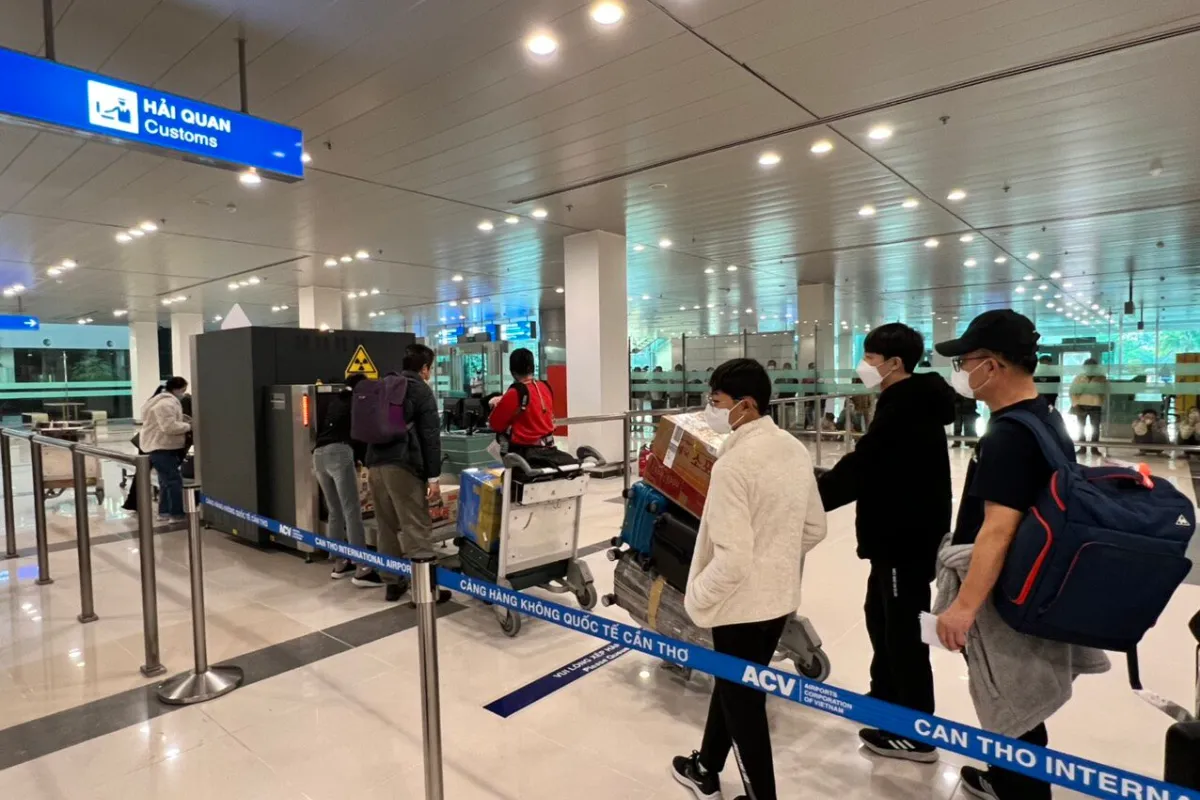
At major international gateways such as Noi Bai International Airport, Tan Son Nhat International Airport, and Da Nang International Airport, immigration processing is generally efficient. Still, during peak hours, especially when multiple international flights arrive at the same time, queues can become longer.
Travelers who already have a valid e-visa or visa exemption typically pass through passport control faster, sometimes in 20 – 30 minutes if the queue is short. On the other hand, passengers using visa on arrival often need extra time because they must first obtain the visa stamp at a separate counter before joining the immigration line.
- Visa on Arrival processing: 15 – 30 minutes (sometimes longer during busy periods)
- Passport control queue: 10 – 40 minutes
- Total immigration time: about 20 – 60 minutes on average
How To Pass Vietnam Airport Immigration Faster
Although the procedure is usually efficient, there are several ways travelers can make the Vietnam Airport Immigration experience faster and more convenient.
- Prepare your passport and visa before landing so you can move directly to the immigration line without searching for documents.
- Print a copy of your e-visa instead of relying only on your phone, as immigration officers may request a physical document.
- Complete any arrival forms during the flight if the airline provides them, saving time at the airport.
- Choose flights that arrive during off-peak hours, when fewer international flights land at the same time.
- Avoid visa on arrival if possible by applying for an e-visa in advance, which allows you to go straight to passport control.
- Follow the correct queue for foreign passport holders to avoid accidentally waiting in the wrong line.
- Keep your accommodation details and return ticket accessible in case immigration officers request them.
- Travel light with organized documents so you can present everything quickly at the counter.
- Walk quickly to immigration after leaving the aircraft, as earlier passengers often reach the front of the queue.
- Consider booking an airport fast-track service if you want assistance through immigration and shorter waiting times at busy Vietnam airports.
Common Issues Travelers Face At Vietnam Immigration
- Incorrect or invalid visa information, such as a wrong passport number or entry date on the e-visa.
- Passport validity problems, especially when the passport has less than six months remaining before expiration.
- Forgetting to print the e-visa, which can delay processing if immigration officers request a physical copy.
- Long queues during peak arrival hours, particularly when several international flights land at the same time.
- Confusion between visa on arrival and e-visa procedures, causing travelers to line up at the wrong counter.
- Missing documents for visa on arrival, such as the visa approval letter or passport photos.
- Payment issues at the visa stamping counter, especially if travelers do not have cash in USD or VND.
- Entering the wrong immigration line, for example standing in the queue for Vietnamese citizens instead of foreign passport holders.
- Unclear travel information, such as not knowing the hotel address or return flight details when asked by immigration officers.
- Additional checks by immigration officers, which may happen if documents need verification or if information is incomplete.
Frequently Asked Questions About Vietnam Airport Immigration
1. How long does Vietnam airport immigration take?
For most travelers, the Vietnam Airport Immigration process takes between 20 minutes and one hour depending on passenger traffic and visa type.
2. Do I need to print my Vietnam e-visa?
Yes. It is recommended to bring a printed copy of your e-visa when arriving in Vietnam, as immigration officers may request to see it during the entry process.
3. Can visa on arrival be used at all airports in Vietnam?
Visa on arrival is typically available only at major international airports such as Hanoi, Ho Chi Minh City, and Da Nang.
4. What should I do if the immigration queue is very long?
If the queue is long, the best approach is simply to wait patiently. Some travelers choose airport assistance services in advance to help speed up the process.
5. Do I need to declare items at customs?
You only need to declare items if you carry goods exceeding duty-free limits or restricted items according to Vietnamese customs regulations.

Comment (0)