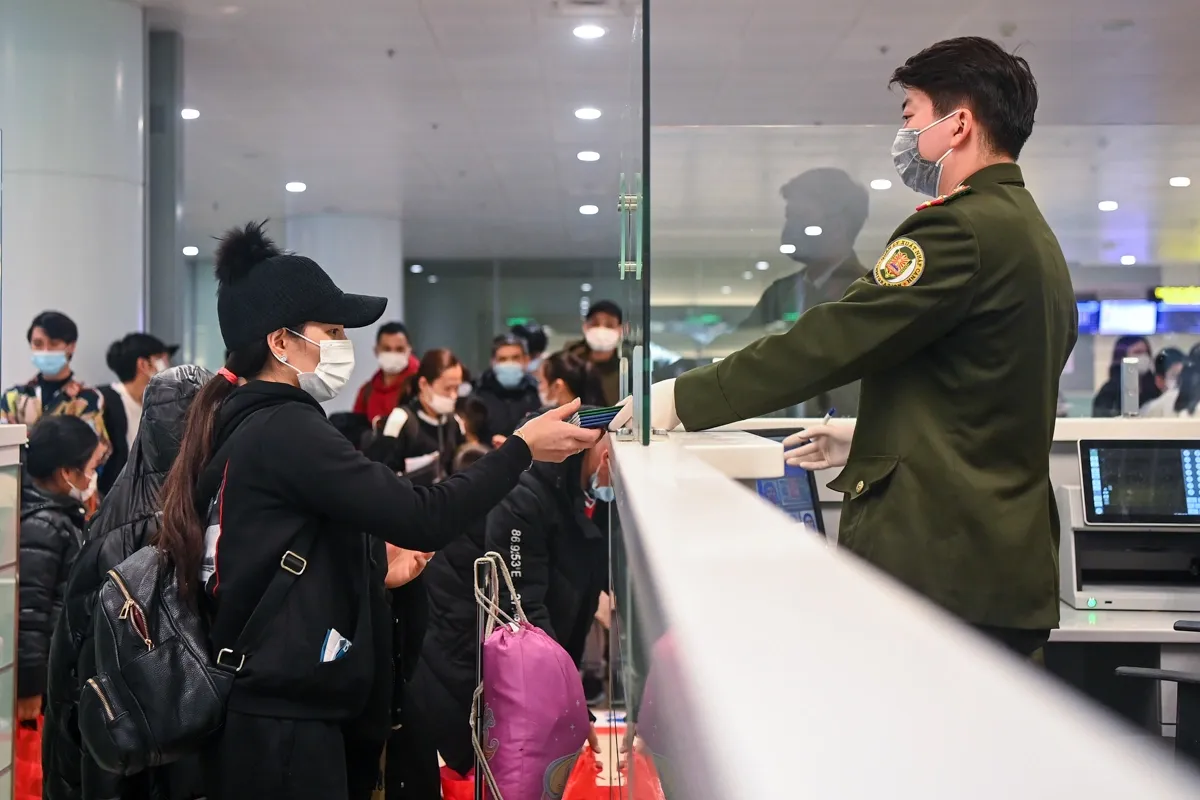
For international travelers, the true beginning of a Southeast Asian adventure starts at the arrival terminal. As Vietnam continues to solidify its position as a global tourism powerhouse in 2026, the efficiency of its border checkpoints has become a primary interest for visitors. A common concern for those planning their first trip is: How long does Vietnam airport immigration take? This is a critical factor for managing jet lag, scheduling airport pickups, or ensuring you don’t miss a domestic connection to the islands or the highlands.
While the digital transformation of Vietnam’s aviation sector has introduced more streamlined systems, the sheer volume of global arrivals means that the time spent at the border is subject to several variables. On average, the experience at Vietnam airport immigration lasts between 20 to 60 minutes. However, depending on your landing time, the specific terminal, and your visa category, this duration can fluctuate.
Vietnam Airport Immigration: How Long Does It Take?
Predicting your arrival timeline is part science and part timing. In 2026, major hubs like Hanoi and Ho Chi Minh City are handling record-breaking passenger numbers, which directly influences the operational speed of Vietnam airport immigration.
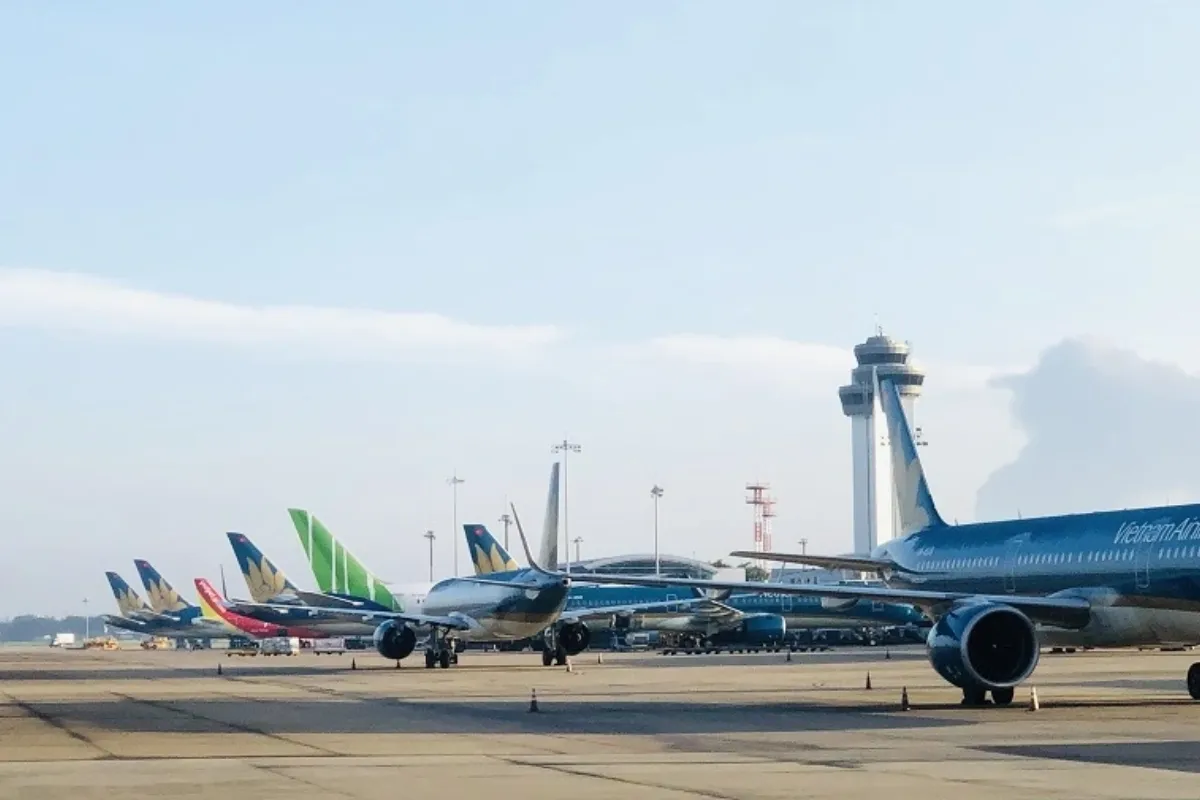
The Standard Wait Time in 2026
For the majority of travelers, the actual interaction with an officer is brief, but the queueing phase is the primary time-consumer. During off-peak windows, typically between 4:00 AM and 8:00 AM, the halls are relatively quiet. If you land during these early hours, you might find yourself clearing Vietnam airport immigration in just 15 to 25 minutes. This is often the most efficient time to arrive if you wish to avoid the crowds.
Conversely, peak periods occur during the “afternoon wave” from 1:00 PM to 5:00 PM and again late at night from 9:00 PM to midnight. During these windows, several wide-body aircraft from Europe, Australia, and North Asia often land within minutes of each other. In these instances, the queues for Vietnam airport immigration can swell significantly, and a wait of 60 to 90 minutes becomes a realistic expectation.
Factors Influencing Entry Speed
Several dynamic factors determine your total duration in the arrival hall. The most prominent is flight stacking, the phenomenon where multiple international flights arrive simultaneously. Furthermore, the complexity of your documentation plays a role; travelers using a streamlined E-visa move much faster than those with specialized business or investor permits. Lastly, staffing levels at the booths during shift changes or local public holidays can temporarily impact the flow of Vietnam airport immigration.
Vietnam Airport Immigration Process: Step-by-Step Guide
To navigate the arrival process with confidence, you must understand the physical and administrative flow once you leave the aircraft. Familiarizing yourself with the layout of the Vietnam airport immigration zone can save you from unnecessary confusion.
Moving to the Passport Control Area
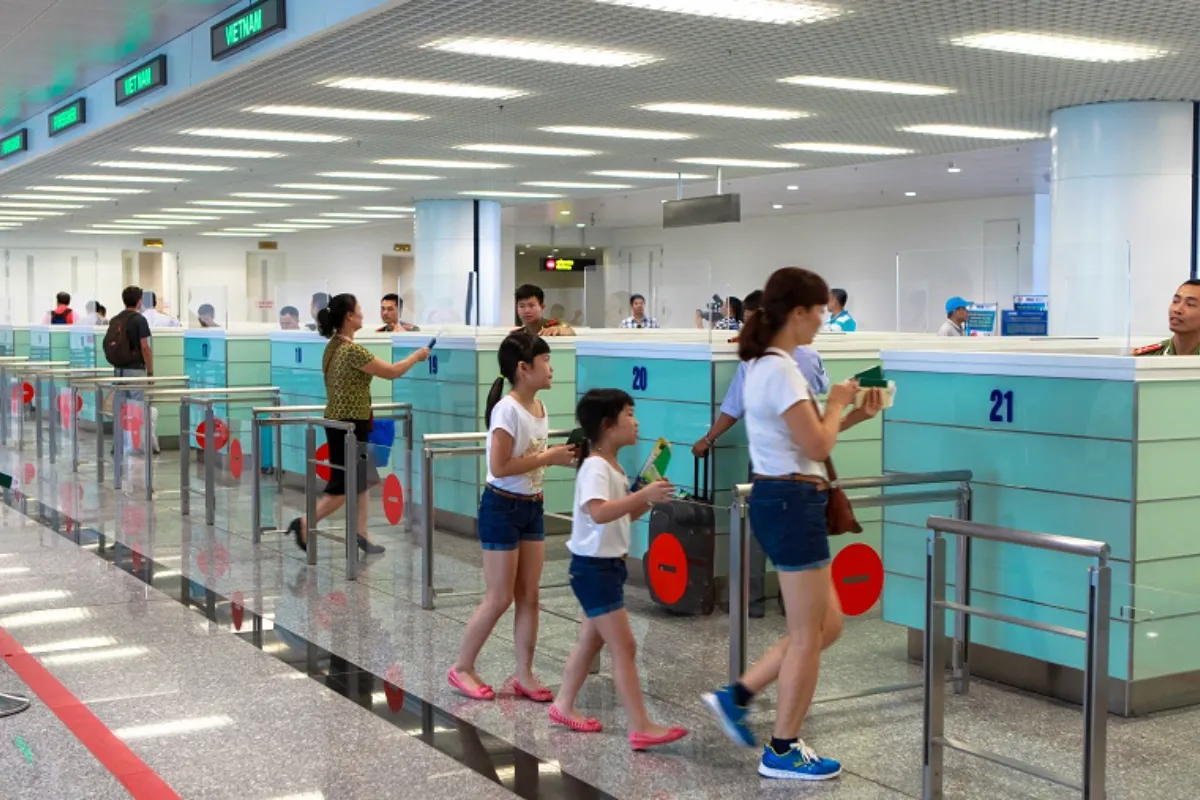
As soon as you exit the jet bridge, follow the prominent signs for “Immigration” or “Passport Control.” In modern terminals like Noi Bai’s Terminal 2, this walk can be nearly a kilometer long. Maintaining a brisk pace during this transition is the single most effective way to shorten your time at Vietnam airport immigration. Being among the first passengers from your flight to reach the hall can save you thirty minutes of waiting compared to those at the back of the plane.
Processing Visa on Arrival (If Applicable)
Although the E-visa is the most common entry method in 2026, some travelers still utilize the Visa on Arrival (VOA) for emergency entries or specific long-term stays. If this applies to you, you must stop at the “Landing Visa” counter before you enter the main lines for Vietnam airport immigration. You will be required to submit your passport, approval letter, and entry-exit form, then wait for your name to be called. This pre-check stage can add 15 to 40 minutes to your total experience before you even reach the final inspection booth.
Passport Inspection at the Immigration Desk
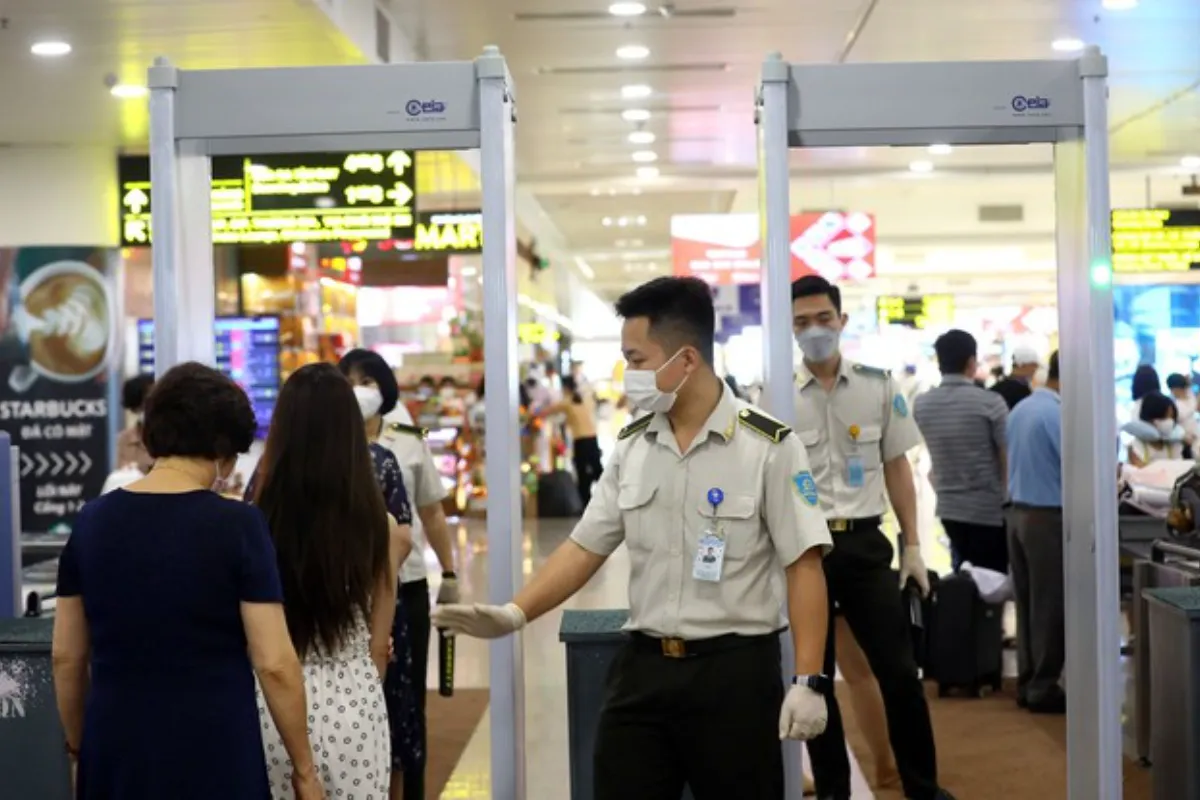
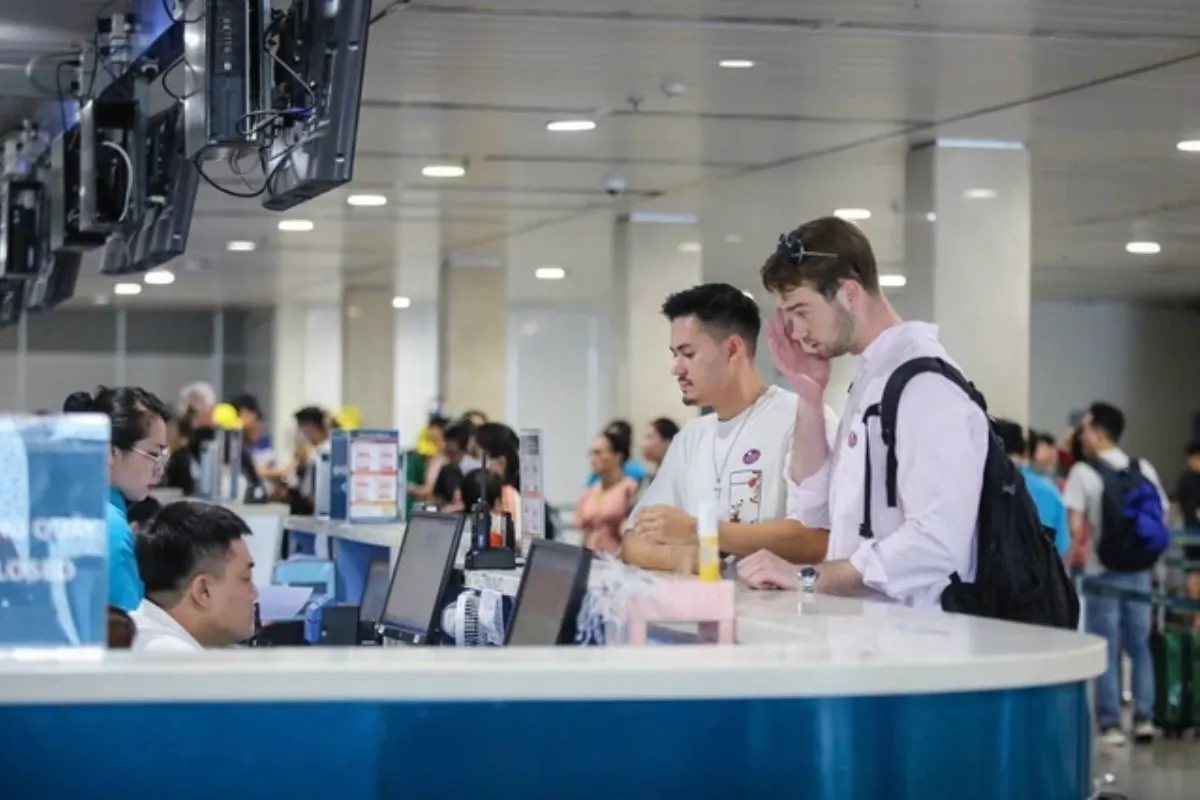
Once you have your visa sticker or your pre-approved E-visa printout, join the queue marked for “Foreigners.” When you reach the booth, the officer will scan your passport, take a biometric photo, and verify your travel details. This face-to-face interaction is usually swift, lasting only a few minutes. Once the entry stamp is applied, you are officially cleared. It is vital to double-check the “permitted to stay until” date on your stamp before leaving the Vietnam airport immigration counter to ensure it matches your intended itinerary.
Immigration Times at Major International Airports in Vietnam
Each city provides a different operational environment, and the layout of the terminal can significantly affect your encounter with Vietnam airport immigration.
Noi Bai International Airport (Hanoi)
As the primary gateway to the North, Noi Bai is known for its spacious and modern Terminal 2. The Vietnam airport immigration process here is generally considered the most organized in the country. Most travelers find themselves through the hall in 30 to 45 minutes. The linear design of the terminal and the high number of active booths help maintain a steady cadence even during busy tourist seasons.
Tan Son Nhat International Airport (Ho Chi Minh City)
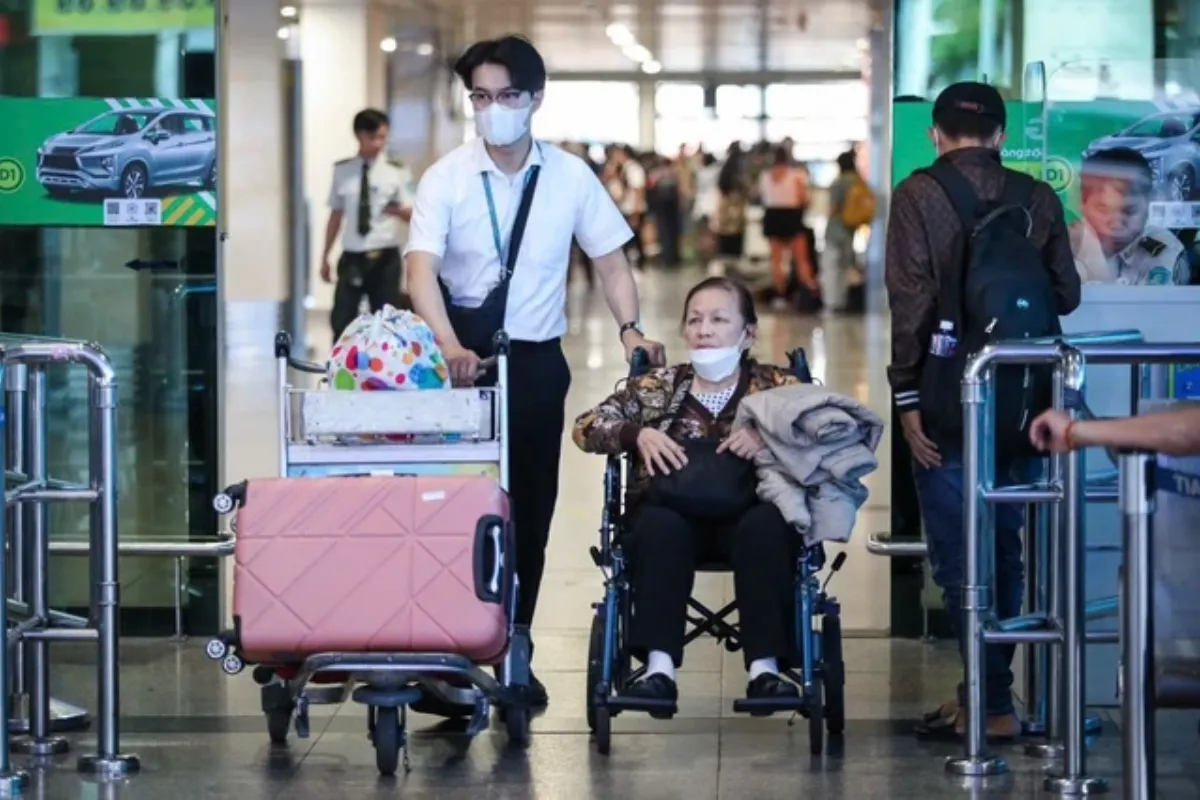
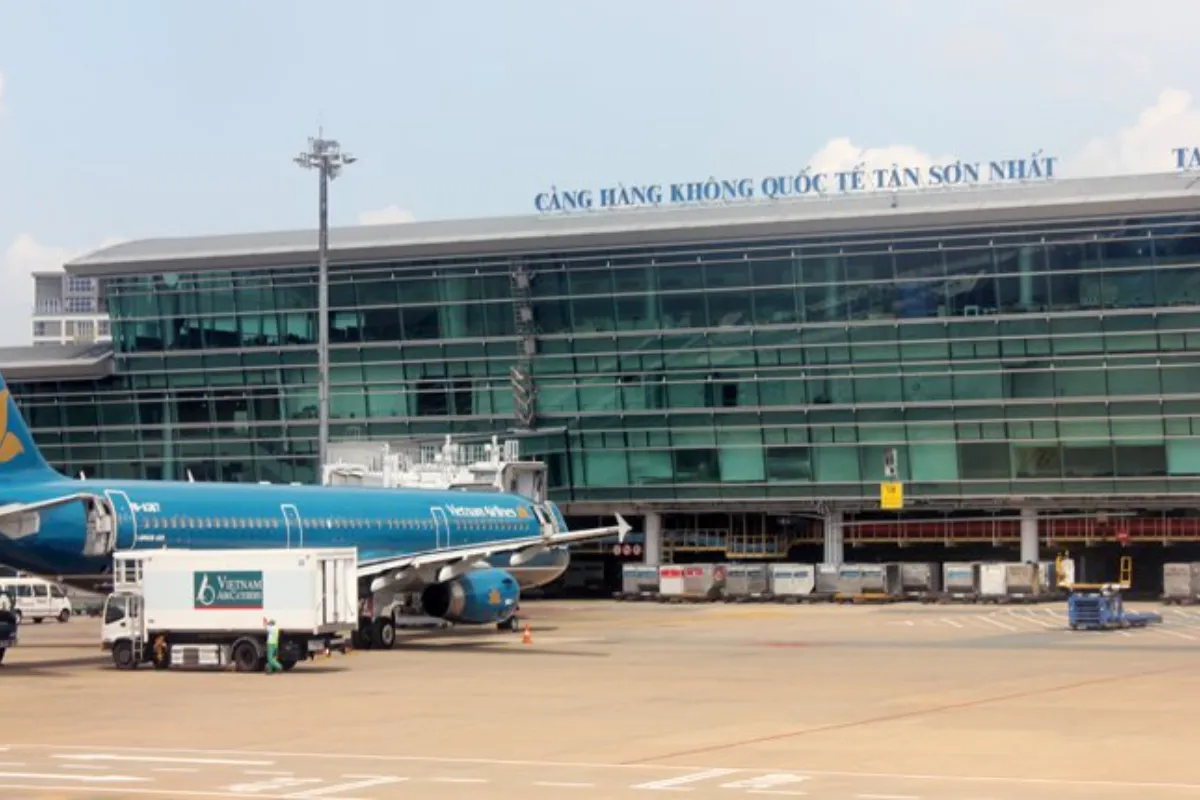
Tan Son Nhat remains the busiest gateway in Vietnam. Because the airport is located within the city limits, space is at a premium and the arrival hall can feel quite congested during peak international waves. Travelers landing in Ho Chi Minh City should prepare for a standard wait of 45 to 60 minutes at Vietnam airport immigration. During major holidays like the Lunar New Year, this timeframe can extend even further due to the high volume of returning overseas citizens.
Da Nang International Airport (Central Vietnam)
Da Nang is frequently cited as the most traveler-friendly entry point for those heading to the coastal resorts of Hoi An and My Khe. The airport is smaller, the walks are shorter, and the volume of simultaneous flights is lower than in the two major cities. Clearing Vietnam airport immigration in Da Nang typically takes only 15 to 30 minutes, providing a stress-free start to your vacation.
How to Speed Up Your Vietnam Airport Immigration Process
If efficiency is your priority, there are several proactive steps you can take to minimize the time spent in the arrival hall.
Utilize the Vietnam Fast Track Service
In 2026, the Fast Track service has become a popular choice for families, business travelers, and those on tight schedules. A dedicated representative meets you at the gate and escorts you through a priority lane, often the same one used by diplomats and aircrew. This bypasses the general public queues entirely, allowing you to clear Vietnam airport immigration in as little as 5 to 15 minutes. This is particularly valuable if you are landing during a peak window or if you have a connecting domestic flight within a few hours.
Essential Preparation and Tactical Tips
To ensure you aren’t the person causing a delay in the line, follow these technical recommendations:
- The Paper Rule: Even in the digital age, physical documents are preferred. Always carry a physical, printed copy of your E-visa. Digital versions on smartphones can be difficult to scan and leave you vulnerable if your battery dies.
- Strategic Seat Selection: Book a seat in the front of the aircraft to be among the first to disembark. In a large Boeing 787 or Airbus A350, being in the first ten rows can save you 20 minutes in the Vietnam airport immigration hall.
- Document Accuracy: Ensure your passport has at least six months of validity and two blank pages. Small errors on your visa application, such as a misspelled name or an incorrect passport number, can lead to lengthy secondary inspections at the Vietnam airport immigration booth.
Navigating Challenges: What to Do When Lines are Long
Occasionally, despite your best planning, you may arrive to find a sea of people at the border. This is common during peak summer months or international festivals. If the queue for Vietnam airport immigration seems overwhelming, the first rule is to stay patient. Ensure you are in the correct lane immediately; standing in the “Asean Citizens” lane by mistake will result in you being sent to the back of the foreigner line once you reach the front.
If you have a very tight connection, look for airport staff members in high-visibility vests. While they are not obligated to assist, they may occasionally help passengers with looming departures. Most importantly, use the free airport Wi-Fi to alert your hotel or transport provider. In Vietnam, drivers are very familiar with the fluctuating speeds of Vietnam airport immigration and will usually wait for their guests if they receive a timely update.
Frequently Asked Questions (FAQs)
1. Is the E-visa faster than the old sticker visa?
Yes, significantly. The E-visa allows you to skip the Landing Visa counter and go directly to the passport control booths, saving you approximately 20 to 40 minutes of total time at the airport.
2. Are there Autogates (E-gates) for international tourists?
As of early 2026, Autogates are primarily reserved for Vietnamese citizens and those with specific long-term residency permits. Standard tourists still need to visit a manned counter for a manual stamp from a Vietnam airport immigration officer.
3. Which airport has the shortest wait times?
Da Nang generally offers the quickest experience, followed by Hanoi. Ho Chi Minh City is typically the most time-consuming due to the sheer volume of international traffic it handles daily.
4. Should I pay for my visa in USD or VND?
If you are using the Visa on Arrival service, the stamping fee is strictly required in cash. USD is the preferred currency and should be paid in crisp, clean bills to avoid any issues at the Vietnam airport immigration counter.
The time it takes to navigate the border is the final logistical hurdle before your vacation truly begins. By understanding that Vietnam airport immigration typically takes 20 to 60 minutes and preparing accordingly, you can start your journey on a positive note. Whether you opt for the VIP convenience of a Fast Track service or navigate the standard lanes with precision, your entry into Vietnam in 2026 is a gateway to one of the world’s most beautiful cultures.
Preparation is the key to efficiency. By arriving with printed documents, choosing an optimal landing time, and understanding the regional differences in airport operations, you can ensure that your encounter with Vietnam airport immigration is a mere footnote in your travel story rather than a source of frustration.

Comment (0)