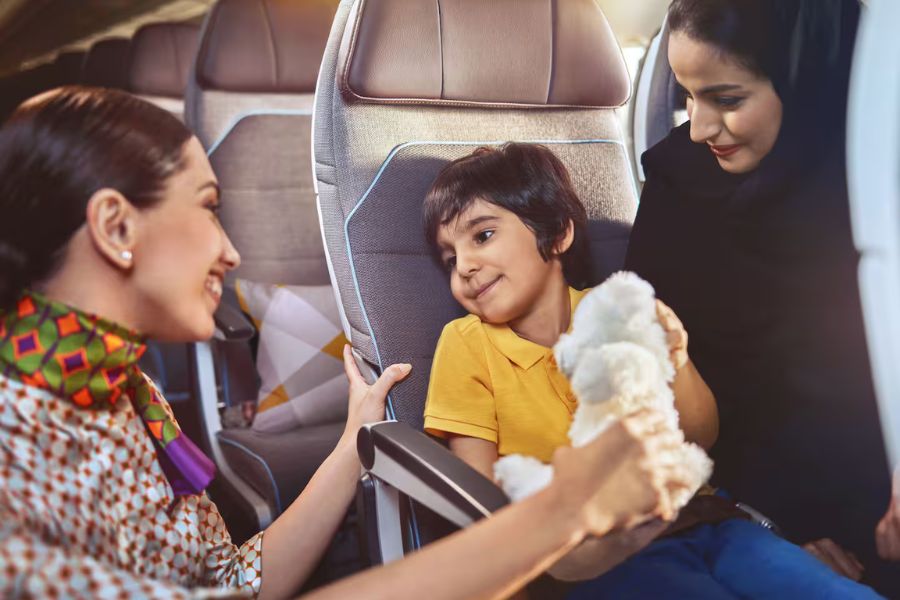
Flying with children can feel overwhelming, especially when navigating busy airports and long flights. With proper preparation, families can reduce stress, avoid common travel mistakes, and make airport procedures easier for both parents and children. This guide covers practical tips for a smoother family travel experience, ensuring your journey is organized, comfortable, and efficient from the check-in desk to your final destination.
Why Flying with Children Requires Extra Preparation
Air travel introduces a dramatic shift in environment, sensory inputs, and physical demands that can quickly impact a child’s behavior and comfort. Recognizing these factors early allows parents to build a more resilient travel strategy.
Airport Environments Can Be Overwhelming
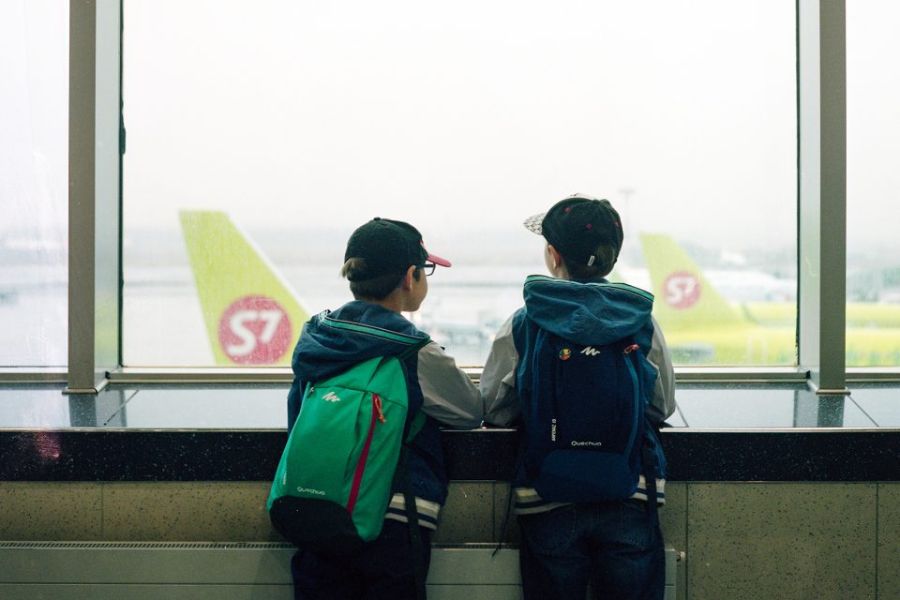
Modern aviation hubs are vast, loud, and visually intense. The combination of Echoing public announcements, flashing digital displays, dense crowds, and fast-moving luggage carts can overstimulate young minds. This sensory overload frequently manifests as sudden irritability, anxiety, or behavioral meltdowns in children who are normally calm at home.
Different Needs by Age Group
A family’s logistical needs evolve significantly depending on the developmental stage of their children:
- Babies (0–12 months): Require precise feeding schedules, diaper-changing supplies, specialized sleep environments, and gear like car seats or wearable infant carriers.
- Toddlers (1–3 years): Possess high physical energy but limited attention spans. They require space to move, constant supervision, and a steady stream of interactive distractions to prevent boredom.
- Young Children (4–8 years): Can walk independently but fatigue easily over long terminal distances. They need clear explanations of what is happening to alleviate situational anxiety.
Managing Schedules and Routines
Children thrive on predictable structures. The unpredictable nature of air travel—such as early morning departures, long security lines, and changing time zones—disrupts established patterns for meals, naps, and bedtime. When these internal biological clocks are disrupted, children experience heightened cortisol levels, leading to emotional exhaustion.
Keeping Children Comfortable During Travel
Airplanes and terminals present unique comfort challenges, including dry cabin air, fluctuating temperatures, restrictive seating, and ear pressure changes during takeoff and landing. Because children cannot always articulate physical discomfort clearly, parents must anticipate these challenges and pack tools to address them proactively.
Preparing for the Airport Before Departure
An effortless airport experience is determined by the planning that happens before you leave for the terminal. Streamlining your documentation, gear, and cabin baggage ensures you remain agile on travel day.
Travel Documents for Children
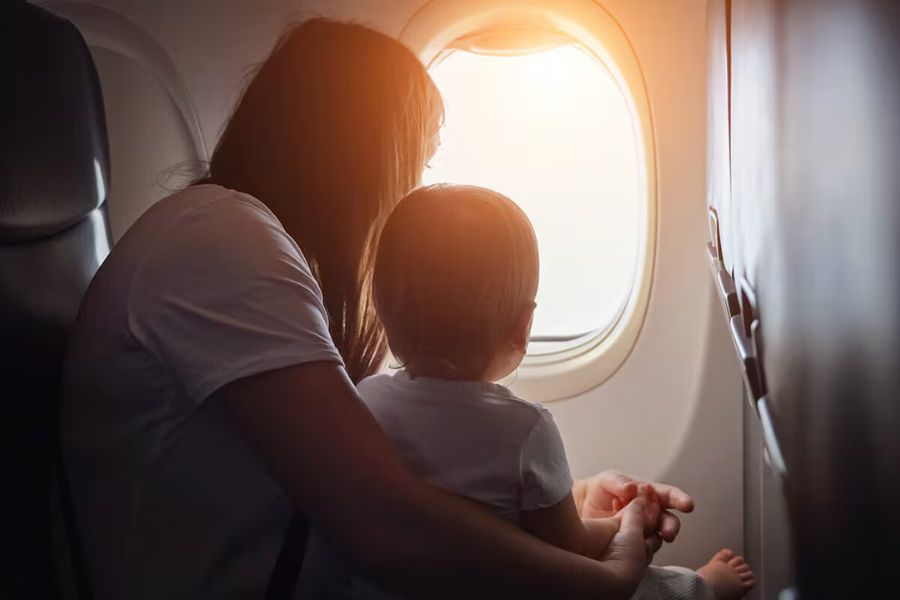
Every member of the family requires valid identification to travel. For domestic flights, children may only need their boarding passes or a birth certificate, depending on local aviation rules. For international journeys, infants and children need a valid passport, necessary tourist visas, and occasionally proof of relationship documentation, such as an original birth certificate. If only one parent is traveling internationally with a child, many border agencies require a notarized parental consent letter from the non-traveling parent to prevent international custody disputes.
Packing Carry-On Essentials
Your cabin baggage should function as a highly organized mobile command center. Use a sturdy backpack with multiple compartments rather than a shoulder bag, keeping your hands completely free to guide your kids. Pack at least two full changes of clothes for babies and toddlers, plus one extra shirt for yourself in case of major spills or spit-ups. Include plenty of diapering supplies, wet wipes, and disposal bags.
Snacks and Drinks
Hunger is a primary cause of travel meltdowns. Pack a variety of low-mess, nutrient-dense snacks like protein bars, dried fruit, crackers, and cheese sticks. While airport security restrictions limit liquids for standard passengers, most international transport authorities allow parents to carry reasonable quantities of baby milk, formula, sterilized water, and liquid baby food through checkpoints. Declare these items to security officers for separate manual scanning.
Entertainment for Different Age Groups
Keep a balanced mix of digital and tactile entertainment accessible. Pack compact, noise-free items such as coloring books, reusable sticker pads, water-reveal pads, and small travel toys. If your children use tablets or smartphones, download their favorite movies, shows, and games for offline use before arriving at the airport, and remember to pack child-safe, volume-limiting headphones.
Planning Around Nap Times
Whenever possible, book flight schedules that align naturally with your child’s existing routine. Selecting a flight that departs during their standard afternoon nap window or choosing a late-evening flight can encourage them to sleep through a significant portion of the journey.
| Category | Essential Item | Quantity / Rule | Packing Strategy |
|---|---|---|---|
| Identification | Passports & Visas | 1 per traveler, plus consent letters | Zippered, waterproof document pouch |
| Clothing | Spare Outfits | 2 per child, 1 per adult | Sealed inside clear plastic compression bags |
| Nutrition | Dry Snacks & Formulated Milk | Enough for flight plus a 6-hour delay buffer | Dedicated, insulated food pocket |
| Wellness | Kid-safe First Aid Kit & Wipes | Pain relievers, band-aids, saline drops | Clear, TSA-compliant quart-sized bag |
| Comfort | Security Blanket or Pacifier | 1 favorite comforting item | Attached to stroller or inside backpack top pocket |
Common Airport Challenges for Families
Understanding the typical bottlenecks inside an airport terminal allows you to plan your day effectively and handle challenges smoothly.
Long Check-In Lines
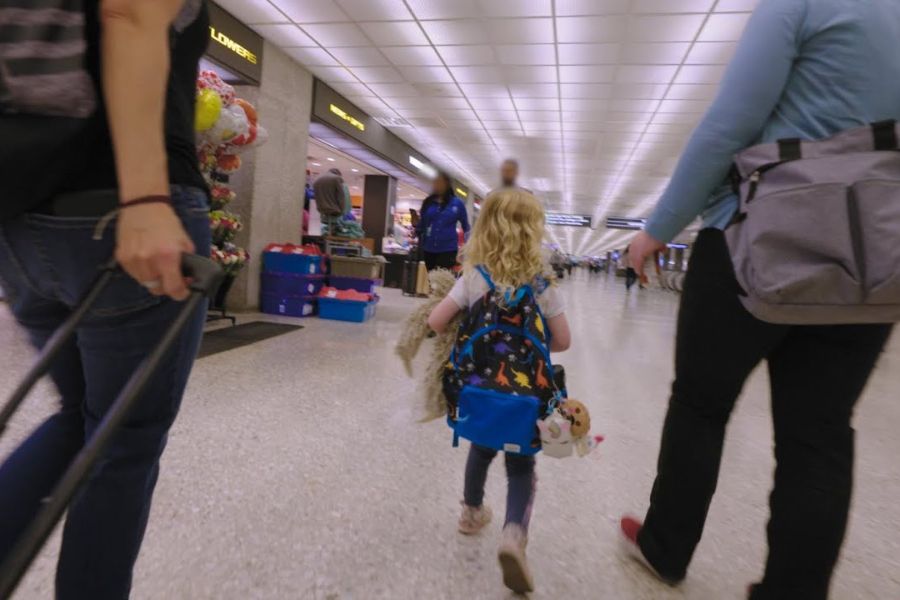
Waiting in a slow-moving queue with active children can be challenging. Children can quickly grow restless when required to stand still in one place for 30 minutes or more.
- Practical Solution: Complete your airline’s digital check-in process online 24 hours prior to departure. If you are only traveling with carry-on luggage, proceed directly to security. If you have bags to check, look for automated self-service bag-drop kiosks to bypass the main ticket counters.
Security Screening
The security checkpoint is often the most demanding part of the airport experience for families.
- Practical Solution: Families traveling with young children often look for ways to simplify airport procedures. In some situations, using a dịch vụ sân bay can help reduce unnecessary stress and make the journey more comfortable for both parents and children. Alternatively, look for dedicated “Family Lanes” that provide a more relaxed environment where parents can fold strollers and organize bins without feeling rushed by business travelers.
Waiting at the Gate
Gate areas can fill up quickly, leaving families with limited seating and few ways to keep energetic kids entertained.
- Practical Solution: Avoid heading directly to the boarding gate too early. Instead, look for a quiet, less populated corridor or an airport children’s play zone where your kids can move around freely and burn off energy before they need to sit still on the aircraft.
Delayed Flights
Weather changes or mechanical adjustments can leave families stuck inside the terminal for hours past their scheduled departure.
- Practical Solution: Keep a few “emergency items”—such as a new, unreleased toy or a favorite treat—hidden away in your carry-on bag. Use these items only during unexpected delays to provide a fresh distraction when enthusiasm starts to wane.
Managing Multiple Bags and Strollers
Balancing heavy suitcases, carry-on backpacks, and a folding stroller while guiding your children through the terminal can be a major logistical challenge.
- Practical Solution: Choose an ultra-compact, cabin-approved stroller that folds down easily to fit into overhead compartments. Alternatively, look for a lightweight, breathable baby wrap or carrier to keep your hands completely free while navigating busy terminal walkways.
Essential Airport Tips for Parents Traveling with Children
By making a few simple, intentional adjustments to your travel day, you can significantly reduce stress and keep your family moving smoothly.
Arrive Earlier Than Usual
Add an extra hour to standard airport arrival recommendations. For international flights, aim to arrive four hours prior to departure. This buffer allows for unexpected traffic, bathroom emergencies, diaper changes, and unhurried packing adjustments, keeping the atmosphere relaxed right from the start.
Keep Important Items Accessible
Keep your passports, boarding passes, smartphones, and wallet in an easily accessible, zippered pocket of your main backpack or cross-body bag. Avoid storing critical travel documents inside deep luggage compartments where you have to dig for them at every checkpoint.
Dress Children Comfortably
Opt for soft, breathable layers without complicated buttons, snaps, or zippers. Choose elastic-waist pants, plain t-shirts, and comfortable slip-on shoes. This setup makes bathroom trips much faster and helps kids stay comfortable through changing terminal temperatures.
Prepare for Security Checks
Before reaching the front of the security line, assign clear roles if traveling with a partner. For example, one parent can handle folding the stroller and placing bags into the scanning bins, while the other guides the children through the metal detector. Remove tablets and liquid items from your bags while waiting in line to keep things moving smoothly.
Use Family Facilities When Available
Modern international airports often feature excellent family-friendly amenities, including dedicated nursing rooms, diaper-changing stations, and indoor play structures. Take advantage of these specialized spaces to handle care routines in a quiet, clean, and comfortable environment away from the busy main terminal.
Create a Simple Travel Routine
Turn airport navigation into a fun, engaging game for your children. Assign them simple, age-appropriate tasks like spotting the correct gate numbers on overhead directional signs or being the “captain” of their own small rolling suitcase. This keeps them focused and helps them feel included in the journey.
| Check | Practical Action Item | Targeted Travel Benefit |
|---|---|---|
| Complete Online Check-In 24 Hours Prior | Bypasses main ticket rows | |
| Label Gear with Bright Luggage Tags | Prevents bag mix-ups | |
| Dress in Soft, Metal-Free Layers | Speeds up security checks | |
| Separate Liquids and Tech Before the Line | Reduces lane bottleneck | |
| Locate the Nearest Family Restroom Early | Avoids emergency rushes |
How to Make Long-Haul Flights More Comfortable for Children
Keeping children comfortable during extended flights requires a thoughtful combination of sleep management, engagement, and physical well-being strategies.
| Common Challenge | Practical Solution |
| Painful Ear Pressure Changes | Encourage infants to nurse or take a bottle during takeoff and landing. For older children, provide chewy snacks, lollipops, or gum to promote swallowing and equalize ear pressure. |
| Restlessness and Excess Energy | Take regular, quiet walks up and down the aircraft aisle during smooth portions of the flight to stretch legs and break up long stretches of sitting. |
| Severe In-Flight Dehydration | Keep a spill-proof straw cup handy and offer water regularly. Avoid sugary juices or sodas, which can lead to energy spikes and crashes. |
| Disrupted Sleep Patterns | Pack familiar bedtime comfort items, such as a favorite small blanket, a stuffed animal, or a portable white-noise app to recreate their home sleep environment. |
| Screen Time Fatigue | Alternate digital entertainment with tactile activities like sticker books, window clings, or simple card games every hour to prevent overstimulation. |
Navigating Airport Procedures with Children
Every step of the airport journey can be handled smoothly by establishing clear routines and setting expectations for your children.
Check-In
When you reach the ticket counter, keep your kids close by utilizing an infant carrier or keeping them buckled in their stroller. Clearly communicate with the agent if you plan to gate-check your stroller, ensuring they attach the correct tag to the handle before you leave the desk.
Security Screening
Explain the security process to older children before you join the line. Let them know that their backpacks and favorite toys must take a short ride through the “tunnel machine” but will come right back to them on the other side. This simple explanation helps prevent anxiety during the screening process.
Immigration
When passing through border checkpoints, keep your family together in one lane. Present all passports and travel documents to the officer as a single stack. Ensure your children stand beside you, and feel free to gently step in to help answer any direct questions from the officer if your child feels shy or overwhelmed.
Boarding
Take full advantage of family pre-boarding announcements if your airline offers them. This option allows you to install car seats, organize your overhead storage, and settle your children into their seats calmly before the main cabin aisles become crowded with other passengers.
Transit Flights
If your trip includes a connection, verify the arrival and departure terminals ahead of time. Use airport moving walkways or terminal shuttle trains to make the transition easier on little legs, and plan a quick stop at a family restroom before boarding your next flight.
Arrival Procedures
Once you arrive at your destination, let the main crowd exit the aircraft first so you can gather all your gear without feeling rushed. Collect your gate-checked stroller right on the jet bridge, then head to the baggage claim area. Position your children safely away from the rotating carousel while one parent retrieves the larger suitcases.
Common Mistakes Parents Make When Flying with Children
Avoiding these common travel missteps can help ensure a relaxed and pleasant journey for your entire family.
- Arriving Too Late at the Terminal: Cutting your arrival time too close creates unnecessary stress that children can easily pick up on. Always arrive early to keep the mood calm.
- Packing Essential Items in Checked Bags: Diapers, wipes, medications, and favorite comfort items should always stay with you in the cabin, protecting you against unexpected delays or lost luggage.
- Forgetting Spare Clothes for Parents: Spills and diaper leaks can happen to anyone. Packing a spare shirt for yourself ensures you stay comfortable if an accident occurs mid-flight.
- Underestimating Waiting Times: Children can find long queues challenging. Always keep a small toy, snack, or interactive game ready in your pocket to provide a quick distraction when waiting in line.
- Not Planning Entertainment Variations: Relying entirely on a single toy or tablet can backfire if the battery runs low or your child loses interest. Pack a mix of digital and hands-on activities to keep things fresh.
Frequently Asked Questions
- How early should families arrive at the airport?
Families should arrive at least three and a half to four hours early for international flights, and two and a half hours early for domestic departures. This extra time accommodates diaper changes, unhurried security checks, and regular bathroom breaks, helping to keep the entire experience relaxed and stress-free. - Can children bring snacks through airport security?
Yes, children can bring solid snacks like crackers, fruit, and bars through security checkpoints. Additionally, rules regarding liquids are generally relaxed for families, allowing parents to bring reasonable amounts of breast milk, formula, juice, and baby food for infants or toddlers. Be sure to declare these items for separate inspection. - What should parents pack in a carry-on bag?
Parents should pack two changes of clothes for each child, a spare shirt for themselves, plenty of diapers and wipes, essential medications, various low-mess snacks, reusable water bottles, tablets with offline videos, child-safe headphones, and a few small, quiet toys. - How can I keep a toddler entertained during a flight?
Keep toddlers engaged by rotating activities every 20 minutes. Use compact, interactive items like reusable sticker books, water-reveal pads, window gel clings, and small wrapped toys that offer a fun surprise. Alternating these with favorite downloaded videos helps keep their attention throughout the flight. - Are strollers allowed at airports?
Yes, strollers are fully permitted within airport terminals. Most airlines allow families to check a standard stroller at the ticket counter or use it through the terminal and check it at the gate right before boarding. Gate-checked strollers are then returned to the jet bridge upon arrival. - What documents do children need for international travel?
For international travel, children need a valid passport and any required tourist visas or entry documentation. If a child is traveling with only one parent, some countries also require a notarized parental consent letter signed by the non-traveling parent to permit entry and exit. - How do I manage long layovers with children?
Manage long layovers by finding an airport children’s play area or a quiet corner where kids can stretch their legs and move around safely. Use this time to have a balanced meal, recharge electronic devices, refresh your carry-on supplies, and take a relaxing walk before your next flight. - What is the best seat for families on a plane?
The best seat depends on your family’s needs. Bulkhead seats offer valuable extra legroom and space for an infant bassinet, while seats near the back of the aircraft provide quick, convenient access to the restrooms and a bit more tolerance for ambient noise.
Conclusion
Flying with children can be a rewarding and smooth experience with the right approach and preparation. By understanding how the airport environment impacts younger travelers, parents can systematically plan around routines, pack the right essentials, and manage typical terminal challenges like security checks and flight delays with confidence.
Implementing practical strategies-such as arriving early, dressing comfortably, and keeping essential items accessible-helps maintain a calm, positive atmosphere for the entire family. With organized documentation, a flexible mindset, and a great collection of mid-flight distractions, you can easily reduce travel stress when flying with children, transforming your airport journey into the exciting start of a wonderful family adventure.

Comment (0)